
Madrid through the eyes of queer Japanese-Spanish actor, Kuni Tomita
Japanese-Spanish actor Kuni Tomita shows us how he experiences Madrid, and how you can, too
 Mark
Mark
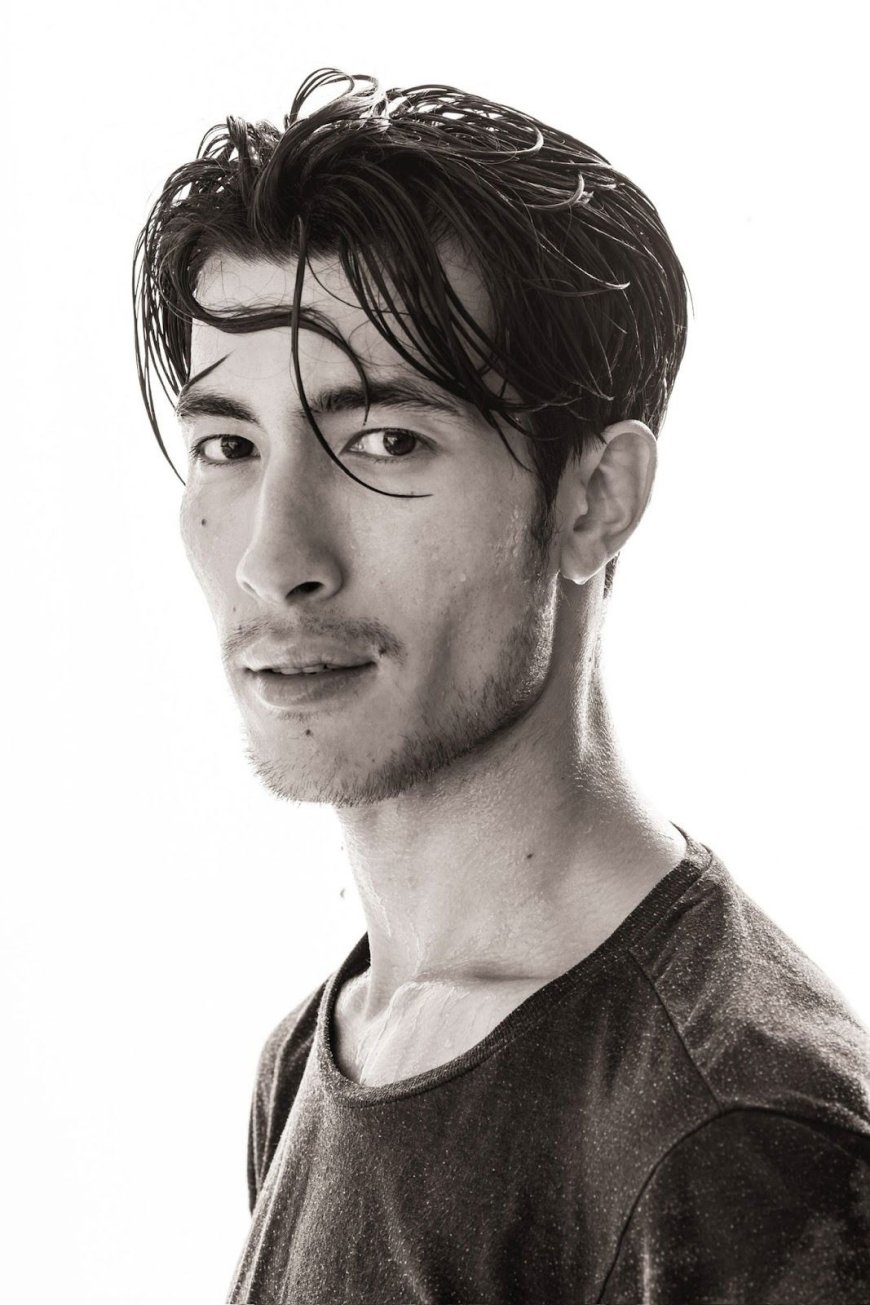

Madrid’s queer film scene is home to many bold creators, from Pedro Almodóvar to Samantha Hudson, but few shine as bright as Kuni Tomita.
A queer Japanese-Spanish actor and filmmaker, Tomita has long used cinema to explore, question, and honor his queer identity. His most recent film, Kokuhaku, playfully reimagines the Japanese geisha figure as a way for Tomita to understand his own queerness.
The film braids together Tomita’s childhood memories, the aesthetics of the Japanese geisha tradition, and the unmistakable influence that the Japanese TV series Sailor Moon had on his life. The result is a work that feels both intimate and expansive, and one that many viewers will find resonant for its way of transforming a pop-culture icon into a vehicle for queer storytelling.
Beyond his creative work, Tomita is also a central figure in Madrid’s queer cultural landscape. He recently served as a judge at QueerCineMad, the largest queer film festival in the Spanish-speaking world, which this year alone features over 110 films across more than 20 venues throughout the city and its surrounding municipalities.
We’re fortunate that Tomita agreed to guide GayCities through some of his favorite places in Madrid: bars, clubs, cafés, and parks, including a few of the city’s top Japanese spots, in case one grows tired of the traditional patatas bravas and jamón while visiting the city.
Whether you’re a longtime local or a newcomer seeking to discover the city’s cultural layers, Tomita is here to show us how he experiences the city and how you can, too.
Pack your bags, we’re going on an adventure
Subscribe to our weekly newsletter for the best LGBTQ+ travel guides, stories, and more.
Subscribe to our Newsletter today
Kuni’s “Nippon Route,” your Japan-focused cultural route through Madrid
TOMITA: Japanese cuisine is very trendy right now, but honestly, it’s hard to find good restaurants or bakeries that truly transport you to Japan through their flavors. That said, I’ll show you the best spots in Madrid.
City Center

MUSASHI (Callao/Ópera): This is my favorite restaurant. My family and I have been going to Musashi for over ten years. I’d say I go about three times a month. The service is excellent—everyone is friendly, and everything arrives on time. The design isn’t overloaded with Asian lamps or anime posters. It’s simple, elegant, and very Japanese. It feels like the kind of place you’d go with your family every Sunday in Japan. And best of all, the food is delicious—authentic flavors and high quality for the price.

Pasteleria Hanabusa
Scrumptious Japanese baked goods 5 C. de Sta. Isabel · Madrid, MD 28012(689) 468-019
Website
HANABUSA (Antón Martín) – I’ve been a big fan of mochi since I was very young, and I think my palate can tell immediately whether it’s good quality or not. HANABUSA is undoubtedly the best Japanese bakery offering handmade mochi. It’s not just good, it’s incredible. The service and the quality are just like in Japan. If you were in Japan, it would feel like one of those bakeries hidden from tourists, frequented only by locals for mochi.
In the same Antón Martín Market, I’d recommend Doppelgänger Bar, which offers Japanese-Spanish fusion food — just make sure to book well in advance. And ASIAN ARMY, a cozy Southeast Asian restaurant, is worth a visit as well.


Moncloa

Market Guzman el Bueno
Modern market 43 C. de Andrés Mellado · Madrid, MD 28015(682) 746-626
Website
My next two favorite spots are a bit more hidden — they’re inside the Guzmán el Bueno Market — but the good thing is that they’re right next to each other.
To start with some excellent street food, there’s OH! BANZAI (Stall 19). You’re going to eat incredibly well here; I call this stall “the real Japanese street food.” I love it. Everything is delicious.
After enjoying some good ramen, karaage, and gyozas, my other favorite bakery in Madrid is less than a minute away: WAGASHI UTATANE (Stall 8). Here you’ll find a much wider variety of desserts, teas, and drinks. Every time I go, the flavors take me straight to Japan. The textures, flavors, aromas, and selection of sweets are flawless.
Related
Why Spain’s LGBTQ+ scene has our tapas in a twist
Discover why Spain, the first country named an IGLTA “Proud Destination,” remains Europe’s premier LGBTQ+ hot spot.
Spots for writing and rehearsing
I still don’t dare consider myself a screenwriter; I feel I have a long way to go before I can claim that title. My projects are rooted in my childhood dreams and in figures that captivate me, especially the onnagata, the cross-gender performers in kabuki, a classical form of Japanese theatre in which male Japanese actors play female roles. Although I’ve written many scripts and concepts related to the onnagata, my most recent film, Kokuhaku, was the first project that truly challenged me to carry out. It sprang from an almost spiritual connection with Edo-era onnagata and a long-standing fascination with their lives beyond the stage. Through multiple revisions with the director, the story evolved into a blend of fantasy and personal experience, unexpectedly becoming auto-fiction.

In the film, my character Tadashi embodies a performer who uses the figure of the onnagata — as a geisha — as a mask to seek acceptance, only to discover that true acceptance requires shedding it. In giving him some of my own history, Tadashi has, in return, given me his profession; now and then, I perform drag shows inspired by him, and we’ve in many ways merged.
All my main characters are Japanese, not as a statement, but because, having grown up outside Japan, creating them allows me to reconnect with my cultural heritage and experience aspects of identity I didn’t live firsthand. Through fiction, I can better understand my Japanese identity and bring to life the dreams and images that shaped my childhood.
Which is all to say: here are a few of the places where I love sitting down to work on these scripts. I almost always write or study my scripts at the Escuelas Pías – UNED Library. Surrounded by architecture that blends restored historical ruins with contemporary additions, it’s quiet and the perfect place to write or immerse yourself in a script.
And if you’re someone who needs to grab a coffee or step out for a smoke, my second favorite workspace is Social Hub Hotel. It’s a great place to network, meet people, and enjoy a good cocktail on the rooftop after work. You always end up meeting someone interesting.

Biblioteca Escuelas Pías – UNED
A quiet spot to get some work done 15 C. del Sombrerete · Madrid, MD 28012(914) 675-522
Website

I usually rehearse in a studio at Amor de Dios, a dance center and major flamenco institution where many renowned dancers, singers, and guitarists have trained. Even though my rehearsals have nothing to do with flamenco, I love hearing the tapping, clapping, and Spanish guitar in the background. It fills you with energy as you rehearse and walk through the halls.
Even if you’re not going to rehearse or take a class, I recommend visiting the school — they can personally recommend the best flamenco shows.
A night out in Madrid
I usually meet my friends for a drink at the San Fernando Market. There you’ll find all kinds of food from around the world, and the drinks at almost every stall are good quality. If you want a lovely terrace with good wine or beer, my favorite spot is Plaza Cascorro.
After that, without a doubt, I always go to the best queer party: Yes, Bitch!. It’s one of the few queer parties in Madrid. It embraces everyone in the LGBTQ+ community, is a safe space for all, and has a fantastic vibe. The whole queer community of Madrid is there.

And there you have it!
If you want to spend a day in the life of one of Madrid’s most exciting and fun actors, follow Tomita’s advice. While most “best restaurants in Madrid” lists focus on Spanish cuisine, it’s always great to get local tips on more global flavors. The library and The Social Hub are perfect stops if you’re working while in the city — or if you want to explore a stunning historic library or enjoy a cocktail on a rooftop bar.
Finally, I can personally attest that the nightlife recommendations are spot on. If you want to experience Madrid like a local, you’ll find us at San Fernando Market and Yes, B(*&+.
Join the GayCities newsletter for weekly updates on the best LGBTQ+ destinations and events—nearby and around the world.








![[photos] Burning Man, a retrospective in pictures](https://lgbtprime.com/uploads/images/202509/image_430x256_68bb798d4550d.jpg)