Don Lemon Surprises HRC Gala With Fiery Defense of Free Press
Don Lemon delivered a surprise speech at HRC’s NYC dinner defending press freedom.
 Mark
Mark
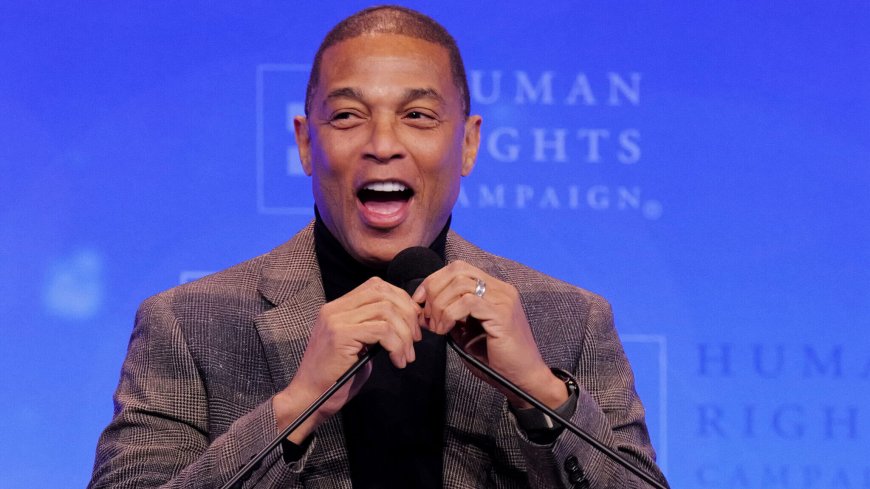
Journalist Don Lemon took the stage unexpectedly at the Human Rights Campaign’s 2026 Greater New York Dinner on Saturday night, delivering a speech that shifted the tone of the evening from celebration to reckoning.
The annual dinner, hosted by the Human Rights Campaign, typically blends fundraising with community recognition. Lemon’s remarks, however, zeroed in on a broader fight, the erosion of press protections and what that means for marginalized communities, including LGBTQ Americans.
“Tonight feels less like a gala and more like a gathering,” Lemon began, framing the moment as communal rather than ceremonial. He described the First Amendment as “breath in the lungs of a democracy,” warning that recent attacks on journalists signal a troubling shift in how power responds to scrutiny. A Defense of Witnessing
Lemon was deliberate in how he defined his role. “I am not an activist. I am not a protester. I am a journalist,” he said. His job, he added, is not to shout but to observe and document, even when doing so carries consequences.
Without naming specific incidents, Lemon referenced a recent week in which he said he “felt the weight” of being targeted. He argued that public officials increasingly treat questions as hostility and reporting as betrayal. The most threatening force to authority, he suggested, is not outrage but evidence.
“The free press does not exist to reassure the nation,” Lemon said. “It exists to reveal it to itself.”
He pointed to reporters arrested while covering protests, investigations met with intimidation, and books pulled from schools for addressing race, gender and sexuality. Each example, he argued, reflects a pattern of punishing those who surface inconvenient facts. Why LGBTQ Communities Should Care
For an audience gathered to support LGBTQ rights, Lemon drew a direct line between journalism and equality. Progress, he said, has always depended on someone willing to document injustice and refuse silence.
“Every right that exists today exists because someone insisted on being seen,” he told the crowd.
That sentiment resonated in a room long shaped by advocacy. The Human Rights Campaign has spent decades lobbying for nondiscrimination protections, marriage equality and transgender visibility, efforts that relied heavily on media coverage to move public opinion.
Lemon framed press freedom as intertwined with queer liberation. When journalists are sidelined, he said, communities lose a safeguard. When facts are dismissed, rights become more fragile. A Call Without Theatrics
Despite the gravity of his remarks, Lemon avoided melodrama. He described himself not as a casualty of a difficult news cycle but as a participant in a larger democratic test. “Truth matters. Witness matters. And silence has never been neutral,” he said.
He closed with an image of light cutting through darkness, a metaphor for transparency in times of political strain. If people continue to speak and reporters continue to document, he suggested, democratic ideals remain intact.
The dinner continued with its planned program, but Lemon’s appearance left a clear message: celebrations of progress do not replace vigilance. In a moment when institutions feel strained, he urged the audience to defend the mechanisms that make accountability possible.
For a gala built around equality, it was a reminder that civil rights and a free press often rise, or fall, together.