November LGBTQ music: George Michael and Cain Culto
This month, Gay City News reviews a live album by the late gay pop star George Michael and an unclassifiable debut album by queer artist Cain Culto. George Michael | “The Faith Tour” | Sony In his 53 years, George Michael only released five solo albums. Since his death, just a small drip of unreleased … Read More
 Mark
0
4
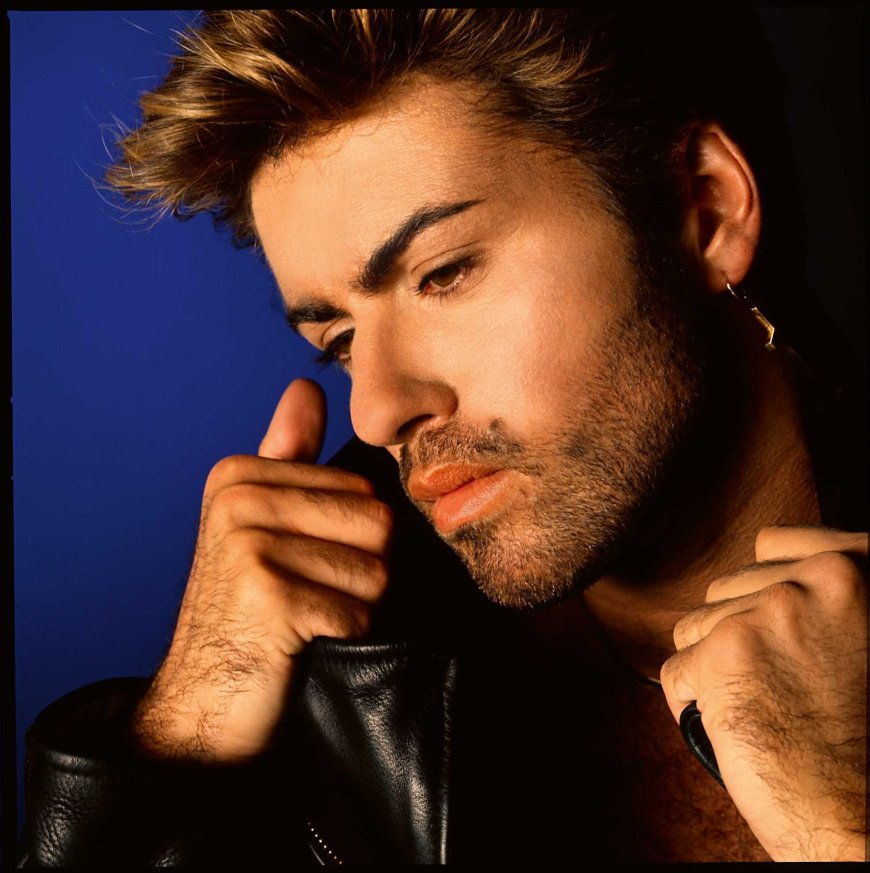
This month, Gay City News reviews a live album by the late gay pop star George Michael and an unclassifiable debut album by queer artist Cain Culto.
George Michael | “The Faith Tour” | Sony
In his 53 years, George Michael only released five solo albums. Since his death, just a small drip of unreleased music has made its way out. “The Faith Tour” represents a bid to re-launch Michael into the spotlight. Recorded at a 1988 show in Paris, it’s the soundtrack to a concert film, set for a theatrical run next month.
After the breakup of his duo Wham!, his 1987 solo debut, "Faith,” marked the first time Michael was taken seriously as an artist. When members of boy bands – which Wham! were, essentially – go solo, their credibility sometimes levels up. 11 years later, Michael was outed following his arrest in a humiliating sting operation in a Los Angeles restroom. Although his video “Outside” made light of the situation, he’d always been tormented about being a celebrity while keeping such a large piece of his life hidden. His 1996 album “Older” was inspired by the death of his partner Anselmo Feleppa, but he still wasn’t speaking openly about their relationship, even if the clues were piling up.
“The Faith Tour” captures Michael at the peak of his imperial era. The audience’s constant screaming functions as one of the instruments. For the first half of “Faith,” they take over the vocals. “I Want Your Sex” pulsates with desire. Against the backdrop of AIDS, it takes horniness as a defiant statement, down to the line “sex is natural,” while insisting “sex is best when it’s one on one.” Its pleasures take place with an awareness of danger. In 1988, he still saw himself as bi. His girlfriend Kathy Jeung appears in its video.
Even without visuals, his charisma oozes out of the music. He was just as skilled at swaggering funk and aching ballads. The latter stand out most. “Father Figure” pictures a predatory older man serenading a younger lover. The spare “A Different Corner”, originally a non-album single, flips the story, with Michael placing his trust in a lover whose power over his emotions frightens him.
These versions are expanded from the studio takes: “I’m Your Man” starts with a bass solo. While Michael’s influences are evident – Prince, Stevie Wonder, Motown – he used them to fashion his own style. A cover of Wild Cherry’s “Play That Funky Music” is a sly self-criticism of his reliance on African-American sounds. This music remains as vibrant as it was in 1988. What could Michael have accomplished had he been able to be openly gay his career?
Cain Culto | “Culto” | Hive Mind
[caption id="attachment_65739" align="aligncenter" width="477"] Cain Culto.Xinger Xanger[/caption]
Cain Culto has led several lives. A former evangelical youth group leader and member of the Christian band Ecclesia, he now performs as a glam witch, decked out in dyed orange hair, eye makeup and feathered nails. After being subjected to an exorcism during a psychotic break, he realized he needed to heal himself. Like many queer musicians, he rewrites Christian imagery to his own uses. When Culto pictures himself “baptized in a sea of heavenly bodies/I feel born again,” he’s turning the religion used against him to more carnal ends. As an alter ego, Culto rejects the colonial impulses that see indigenous and African spirituality as evil.
“A Plague, A Pestilence” stages a Biblical apocalypse in Appalachia. He sings about the terror of being raised to expect the end of the world. “If you sell your soul, you better hope it’s worth the sale” rebounds against Christian nationalists. These fears get chased away when a bluegrass fiddle hoedown blends into house music pianos and handclaps. The borders between these genres — and, more importantly, the people associated with them — dissolve. It’s syncretic music.
A terrific fiddle player, Culto queers U.S. roots music, especially bluegrass. His album speaks from a fluid life. He sings and raps in English and Spanish. Even the song title “KFC Santeria” juxtaposes fast food and an oft-demonized Afro-Cuban religion, staging rituals with buckets of take-out. He describes himself as a “hillbilly hick turned big booty bitch...so faggy fucking gay.” “Duelen” protests violence in Gaza and Sudan.
Every song combines acoustic instruments with programmed drums. Instead of clashing, “Culto” finds a vocabulary to fit the full range of Culto’s experience. He sings from an America that includes Kentucky and Colombia, using music from both places.
With humor as a weapon, he doesn’t reject his heritage, but he examines its relevance to life as a gay man. “hymn (voice memo)” segues into the album’s final statement, “Born Again.” Drinking at a club, the music takes him back to “my roots, my roots/heard my momma sing it to me in the womb.” He finds real salvation within his sexuality.
In 2026, it’s rare to feel the shock of the new in music, but Cain Culto brings it. His experiences lead to an inventive combination of sounds, with Colombian rhythms performed on fiddle and banjo. Following three eps (including a few of their songs), “Culto” is the best new album this year. Cain Culto.Xinger Xanger[/caption]