LGBTQ ballot initiatives see mixed results in several states
A ballot proposal intended to safeguard same-sex marriage rights passed in Virginia, but voters in select states also approved propositions to impose restrictions on trans athletes and gender-affirming care for youth. Here is a rundown of how LGBTQ-related ballot proposals performed in states across the US: Ballot questions on gender-affirming care and trans student-athletes In … Read More
 Mark
0
3
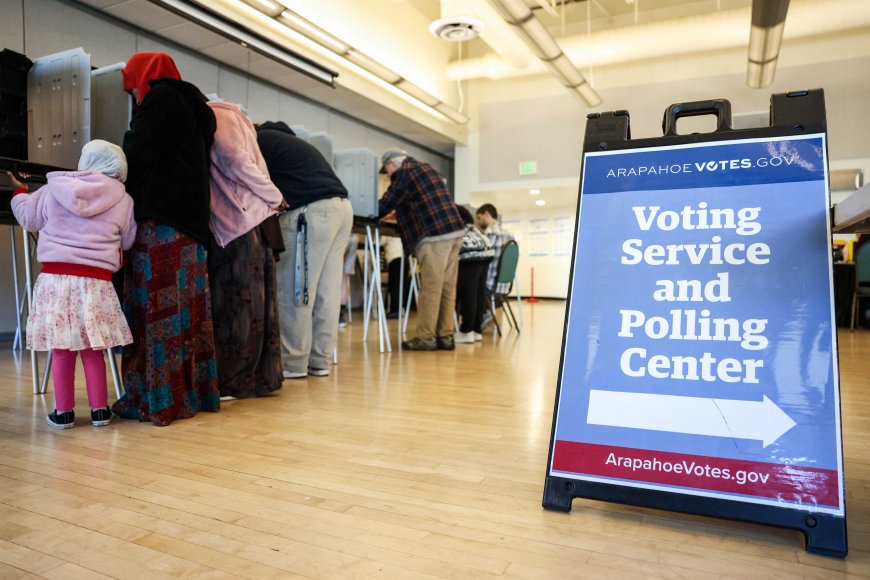
A ballot proposal intended to safeguard same-sex marriage rights passed in Virginia, but voters in select states also approved propositions to impose restrictions on trans athletes and gender-affirming care for youth. Here is a rundown of how LGBTQ-related ballot proposals performed in states across the US:
Ballot questions on gender-affirming care and trans student-athletes
In Colorado, Proposition 134 — which would require all school-based athletic teams to "be designated as male-only or female-only based on biological sex” and require students to be “assigned to gender-designated teams that align with their biological sex" — appears on track to pass by five points, though according to NBC News, it is too early to call.
Meanwhile, in the same state, Proposition 135 — which would ban gender-affirming surgeries for minors — is also too early to call, but is currently in position to pass by roughly the same margin.
Voters in Arizona also approved an anti-trans sports ballot proposal. Nearly 60% of voters approved Proposition 318, which requires all schools and athletic associations to designate athletic teams as male, female, or co-ed based on sex assigned at birth.
In Missouri, a ballot proposal that sought to restrict gender-affirming care and abortion rights failed by 10 points. About 55% of voters in Missouri rejected the Prohibit Abortion and Gender Transition Procedures for Minors Amendment, which would have repealed the constitutional right to an abortion and banned both abortions and youth gender-affirming care — including puberty blockers and hormones.
In Nebraska, voters overwhelmingly said "yes" to an amendment to the Nebraska Constitution requiring schools to “designate each athletic team or sport... based on biological sex." A whopping 68% of voters approved that measure.
A majority of voters in the State of Washington — about 57% as of Nov. 5 — approved a measure prohibiting students assigned male at birth from playing with or against female student athletes in female sports. Furthermore, the measure requires students to provide a statement from a health care provider to verify their sex.
However, a separate ballot proposal in Washington that was framed as a "parental rights" initiative to "restore parental notification rights for medical services provided to a child at school" appeared to have failed by four points.
Virginia protects marriage equality
In Virginia, voters approved Question 2, which repeals the state constitution's ban on marriage rights for same-sex couples. While the state-based ban was rendered unenforceable when the Supreme Court extended marriage equality nationwide in 2015, the measure adds a layer of protection if marriage rights come under threat at the national level in the future.
More than two million Virginians, or 56%, answered "yes" to the question of whether to remove the state's ban on same-sex marriage and require all legally valid marriages to be treated equally. The strongest support for that measure came from Fairfax County, which voted 71-29% in favor of it, followed by Virginia Beach, where 60% of voters approved it. About a dozen counties on the far west end of Virginia overwhelmingly voted against the proposal.
Vermont takes a stand against discrimination
One of the most lopsided ballot questions of the election cycle came out of Vermont, where 79% voted "yes" to amend the state constitution to “ensure equal protection under the law to individuals no matter their race, ethnicity, sex, religion, disability, sexual orientation, gender identity, gender expression or national origin.”