New York City sees increase in mpox cases
After a mostly quiet summer, mpox cases started to increase in New York City in August and there have been dozens of cases per month since then, according to the New York City Department of Health and Mental Hygiene. The latest numbers show the lingering impact of mpox, which has overwhelmingly impacted men who have … Read More
 Mark
0
3
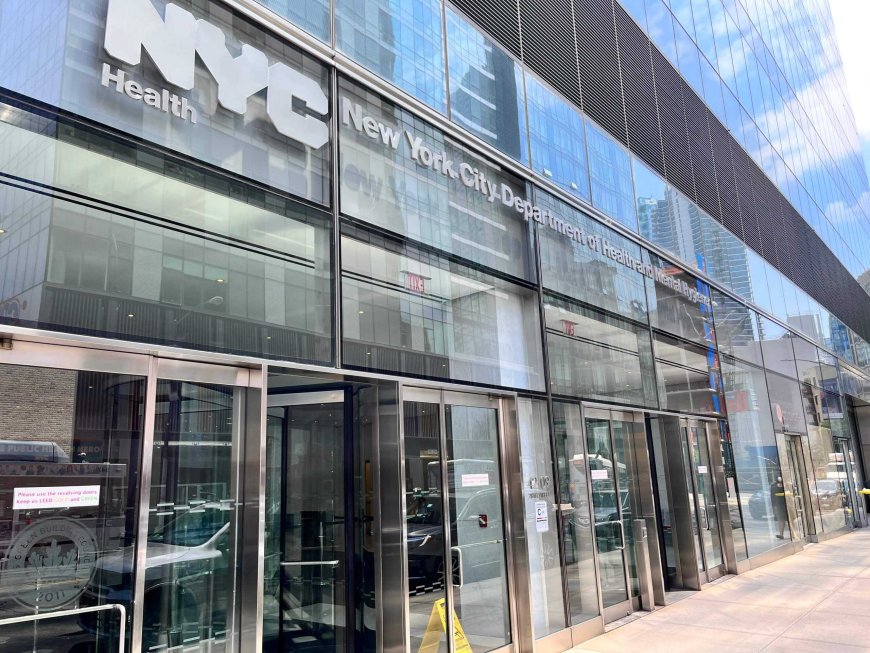
After a mostly quiet summer, mpox cases started to increase in New York City in August and there have been dozens of cases per month since then, according to the New York City Department of Health and Mental Hygiene.
The latest numbers show the lingering impact of mpox, which has overwhelmingly impacted men who have sex with men since a 2022 outbreak hit the US. The city saw as many as 100 cases per day at one point that year as activists pushed the Biden administration for more doses of the Jynneos vaccine, which protects against mpox. Following the initial outbreak, mpox cases dipped, but they nonetheless continued to circulate in New York City, where cases have gone up and down over the course of several years.
Early last year, the city was seeing very few cases — sometimes none or only one or two in a given week — but cases started increasing in April of 2025 and gradually rose until hitting 23 in one week in early October of last year. From there, cases decreased over the course of several months, and there were only a handful of cases from the spring of 2026 until the late summer.
However, cases started to creep up in the latter part of this summer: The week of Aug. 29 saw six cases — the most since March — and subsequent weeks continued to see more cases, eventually hitting 13 in one week in the middle of September.
There were 41 cases reported across the five boroughs between Sept. 6 and Oct. 3. After reaching a weekly high of 19 cases on Sept. 19, the city has still seen elevated cases: Since then, five out of seven weeks have had at least eight cases — more than the city ever saw in a week from late March until September.
City health officials are attributing the uptick to "seasonal increases" and insisted that cases are now declining, even as cases have increased in consecutive weeks.
"Mpox cases follow a seasonal pattern that typically decrease after summer, with a late-summer peak this year," the New York City Department of Health and Mental Hygiene told Gay City News in a written statement. "Data recently posted to the Health Department website shows cases are now trending downward. While we are not noticing a unique increase in cases compared to the previous year, we have seen recent cases of clade I mpox including among people returning from travel."
Meanwhile, there has also been a slight increase in mpox cases in other parts of New York State. According to the New York State Department of Health's mpox data, which shows cases outside of New York City, the rest of the Empire State saw either no cases or one case per month from March until August, but there were six cases in September and 19 cases in October.
According to health officials, the variant of mpox that has circulated in New York and the US is Clade II. A different kind of mpox, clade I, has been associated with outbreaks in the Democratic Republic of the Congo and other countries in Central and Eastern Africa. In March of this year, New York City reported its first case of Clade I.
"New Yorkers at risk for mpox, including those who may be traveling to Europe, should still get vaccinated," the New York City Department of Health and Mental Hygiene said. "The NYC Health Department recommends starting and completing the two-dose JYNNEOS series. If you’ve already received the first dose, it is never too late to get the second. To find a location near you, please visit nyc.gov/healthmap or a Health Department Sexual Health Clinic for low-to-no cost vaccination."