NYC queer bars see drop in alcohol sales as Americans cut back on drinking
New York City’s queer bars are feeling the effects of a broader nationwide reduction in alcohol consumption, with several establishments seeing fewer drinkers and, in turn, earlier closing times. “The younger generation doesn’t like to drink, it seems,” Kurt Kelly, one of the owners of the Stonewall Inn, said in an interview with Gay City … Read More
 Mark
Mark
0
28
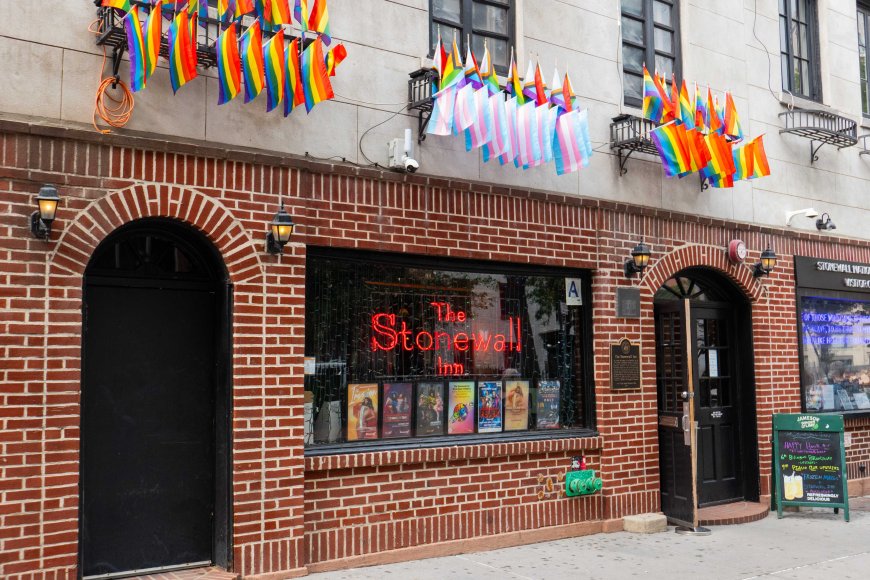
New York City's queer bars are feeling the effects of a broader nationwide reduction in alcohol consumption, with several establishments seeing fewer drinkers and, in turn, earlier closing times.
“The younger generation doesn’t like to drink, it seems,” Kurt Kelly, one of the owners of the Stonewall Inn, said in an interview with Gay City News.
The Stonewall Inn is one of many establishments where business has slowed as Gallup polling shows that the percentage of Americans who drink has fallen to 54% — the lowest level since Gallup began recording the trend in 1939. The poll hit a new low last year and remained the same in this year's poll, which was published on Aug. 20.
“It’s hurting businesses — it’s hurting ours, too,” Kelly said. “We’re surviving.”
The drop-off in drinkers has brought changes to the late-night landscape in the city that supposedly doesn’t sleep. Daniel Tobey, the general manager of The Monster, which is located across the Stonewall Inn on the other side of Christopher Park, said his bar used to stay open until 4 a.m. regularly. That’s not the case anymore — and they’re not alone. The Stonewall Inn has also seen fewer late-night patrons.
"We certainly saw a shift after the pandemic," Tobey explained. "The late nights went from 4 a.m. to 2 a.m. For years and years, it didn't work that way. We were open no matter what."
[caption id="attachment_64825" align="aligncenter" width="700"] Staying open late into the night has become a challenge for many queer bars, including The Monster.Donna Aceto[/caption]
The same thing is happening at Nowhere Bar in Union Square, where Jason Carver, the general manager, said they tend to close at 2 a.m. because “there just isn’t enough traffic, to be honest.”
Owners are speculating about reasons behind the drop-off in drinking and late-night traffic. According to the latest Gallup poll, the share of the population that believes drinking in moderation is bad for people's health increased to 51% from less than 30% pre-pandemic. The legalization of cannabis was also cited by several bar owners as a possible factor.
“I think gummies are part of it,” Kelly said. “People come in with gummies and that’s their choice of high. That’s my assumption.”
Tobey concurred, saying, “With all THC products out there, and their availability, there’s definitely a shift in people’s patterns.”
Bar owners also continue to wonder about the impact of dating and hookup apps on their business.
“Even pre-pandemic, apps like Grindr and Scruff took away a lot of business,” Carver said. “Why go out and spend money when you can just go online?”
Carver said younger customers often come into Nowhere and just order water without spending any money. He has also seen changes in what people are ordering at the bar. Carver estimated that about 10% of sales are non-alcoholic drinks, and those who do order alcohol are often avoiding the pricier brands.
“I’m in the process of getting rid of high-end stuff — Grey Goose, Mezcal, high-end tequilas,” he said. “People just don’t want to spend that much money on alcohol.”
The Monster’s clientele skews older, Tobey said, which could insulate the bar from a more significant drop-off than if it had a primarily younger crowd. But in yet another sign of a broader shift, it’s not just younger people who are cutting back: The 18-34 and 35-54 age demographics saw an 8% drop in reported drinking between 2023 and 2026, while the 55+ crowd saw a 6% dip.
As drinking habits evolve, bars are looking to move with the times. Tobey said the Monster now has a dedicated menu of non-alcoholic drinks.
“It used to be that people would ask for something sparkly and juicy — whatever was behind bar,” Tobey said. “The trend now is to give people an experience. Literally, when you sell these drinks in a can, part of the marketing is to make it look like a cocktail because some people don’t want it to be obvious they’re not drinking.”
At Stonewall, Kelly said customers seeking non-alcoholic drinks tend to order mocktails from behind the bar instead of canned options. Those who do drink, he said, lean towards buying gin and bourbon, and one popular drink right now in his bar is the classic old-fashioned.
[caption id="attachment_64827" align="aligncenter" width="700"]
Staying open late into the night has become a challenge for many queer bars, including The Monster.Donna Aceto[/caption]
The same thing is happening at Nowhere Bar in Union Square, where Jason Carver, the general manager, said they tend to close at 2 a.m. because “there just isn’t enough traffic, to be honest.”
Owners are speculating about reasons behind the drop-off in drinking and late-night traffic. According to the latest Gallup poll, the share of the population that believes drinking in moderation is bad for people's health increased to 51% from less than 30% pre-pandemic. The legalization of cannabis was also cited by several bar owners as a possible factor.
“I think gummies are part of it,” Kelly said. “People come in with gummies and that’s their choice of high. That’s my assumption.”
Tobey concurred, saying, “With all THC products out there, and their availability, there’s definitely a shift in people’s patterns.”
Bar owners also continue to wonder about the impact of dating and hookup apps on their business.
“Even pre-pandemic, apps like Grindr and Scruff took away a lot of business,” Carver said. “Why go out and spend money when you can just go online?”
Carver said younger customers often come into Nowhere and just order water without spending any money. He has also seen changes in what people are ordering at the bar. Carver estimated that about 10% of sales are non-alcoholic drinks, and those who do order alcohol are often avoiding the pricier brands.
“I’m in the process of getting rid of high-end stuff — Grey Goose, Mezcal, high-end tequilas,” he said. “People just don’t want to spend that much money on alcohol.”
The Monster’s clientele skews older, Tobey said, which could insulate the bar from a more significant drop-off than if it had a primarily younger crowd. But in yet another sign of a broader shift, it’s not just younger people who are cutting back: The 18-34 and 35-54 age demographics saw an 8% drop in reported drinking between 2023 and 2026, while the 55+ crowd saw a 6% dip.
As drinking habits evolve, bars are looking to move with the times. Tobey said the Monster now has a dedicated menu of non-alcoholic drinks.
“It used to be that people would ask for something sparkly and juicy — whatever was behind bar,” Tobey said. “The trend now is to give people an experience. Literally, when you sell these drinks in a can, part of the marketing is to make it look like a cocktail because some people don’t want it to be obvious they’re not drinking.”
At Stonewall, Kelly said customers seeking non-alcoholic drinks tend to order mocktails from behind the bar instead of canned options. Those who do drink, he said, lean towards buying gin and bourbon, and one popular drink right now in his bar is the classic old-fashioned.
[caption id="attachment_64827" align="aligncenter" width="700"] The bar at the Stonewall Inn is not as active as it used to be — especially among younger customers.Donna Aceto[/caption]
Hard liquors are on the decline, Carver said, and customers are often buying vodka sodas in a can or sticking to beer or seltzers.
A compounding issue for bars is the rising cost of alcohol as businesses try to maintain their profit margins. That's not easy for places like Nowhere Bar, which tends to avoid raising drink prices because it wants to maintain its identity as a neighborhood bar.
That ends up being a double-edged sword, according to Kelly, who said bar owners are paying more for liquor while customers also feel the pinch in their wallets.
“All of it is going up,” Kelly said. “It’s incredible how expensive everything is getting. That’s from Trump.”
Still, the shift in drinking habits doesn’t mean the trend will continue forever — and some bars are hopeful that things will improve. They also report that weekend crowds continue to come.
"We have definitely felt this [drop-off] in the last four or five years, but then there's some weeks when we think we're still getting the crowds," Tobey said. "The demographics of the Village have changed dramatically. Some bars are so busy with a straight crowd that sometimes we just get their overflow.”
Even when the broader population has trended away from drinking — LGBTQ crowds included — there are some areas of optimism.
“You still get certain crowds that will spend money, like the bear crowd,” Carver said. “These guys are not afraid of a few extra calories.”
“The bear crowds are keeping bars afloat,” he joked.
The bar at the Stonewall Inn is not as active as it used to be — especially among younger customers.Donna Aceto[/caption]
Hard liquors are on the decline, Carver said, and customers are often buying vodka sodas in a can or sticking to beer or seltzers.
A compounding issue for bars is the rising cost of alcohol as businesses try to maintain their profit margins. That's not easy for places like Nowhere Bar, which tends to avoid raising drink prices because it wants to maintain its identity as a neighborhood bar.
That ends up being a double-edged sword, according to Kelly, who said bar owners are paying more for liquor while customers also feel the pinch in their wallets.
“All of it is going up,” Kelly said. “It’s incredible how expensive everything is getting. That’s from Trump.”
Still, the shift in drinking habits doesn’t mean the trend will continue forever — and some bars are hopeful that things will improve. They also report that weekend crowds continue to come.
"We have definitely felt this [drop-off] in the last four or five years, but then there's some weeks when we think we're still getting the crowds," Tobey said. "The demographics of the Village have changed dramatically. Some bars are so busy with a straight crowd that sometimes we just get their overflow.”
Even when the broader population has trended away from drinking — LGBTQ crowds included — there are some areas of optimism.
“You still get certain crowds that will spend money, like the bear crowd,” Carver said. “These guys are not afraid of a few extra calories.”
“The bear crowds are keeping bars afloat,” he joked.
Staying open late into the night has become a challenge for many queer bars, including The Monster.Donna Aceto[/caption]
The same thing is happening at Nowhere Bar in Union Square, where Jason Carver, the general manager, said they tend to close at 2 a.m. because “there just isn’t enough traffic, to be honest.”
Owners are speculating about reasons behind the drop-off in drinking and late-night traffic. According to the latest Gallup poll, the share of the population that believes drinking in moderation is bad for people's health increased to 51% from less than 30% pre-pandemic. The legalization of cannabis was also cited by several bar owners as a possible factor.
“I think gummies are part of it,” Kelly said. “People come in with gummies and that’s their choice of high. That’s my assumption.”
Tobey concurred, saying, “With all THC products out there, and their availability, there’s definitely a shift in people’s patterns.”
Bar owners also continue to wonder about the impact of dating and hookup apps on their business.
“Even pre-pandemic, apps like Grindr and Scruff took away a lot of business,” Carver said. “Why go out and spend money when you can just go online?”
Carver said younger customers often come into Nowhere and just order water without spending any money. He has also seen changes in what people are ordering at the bar. Carver estimated that about 10% of sales are non-alcoholic drinks, and those who do order alcohol are often avoiding the pricier brands.
“I’m in the process of getting rid of high-end stuff — Grey Goose, Mezcal, high-end tequilas,” he said. “People just don’t want to spend that much money on alcohol.”
The Monster’s clientele skews older, Tobey said, which could insulate the bar from a more significant drop-off than if it had a primarily younger crowd. But in yet another sign of a broader shift, it’s not just younger people who are cutting back: The 18-34 and 35-54 age demographics saw an 8% drop in reported drinking between 2023 and 2026, while the 55+ crowd saw a 6% dip.
As drinking habits evolve, bars are looking to move with the times. Tobey said the Monster now has a dedicated menu of non-alcoholic drinks.
“It used to be that people would ask for something sparkly and juicy — whatever was behind bar,” Tobey said. “The trend now is to give people an experience. Literally, when you sell these drinks in a can, part of the marketing is to make it look like a cocktail because some people don’t want it to be obvious they’re not drinking.”
At Stonewall, Kelly said customers seeking non-alcoholic drinks tend to order mocktails from behind the bar instead of canned options. Those who do drink, he said, lean towards buying gin and bourbon, and one popular drink right now in his bar is the classic old-fashioned.
[caption id="attachment_64827" align="aligncenter" width="700"] The bar at the Stonewall Inn is not as active as it used to be — especially among younger customers.Donna Aceto[/caption]
Hard liquors are on the decline, Carver said, and customers are often buying vodka sodas in a can or sticking to beer or seltzers.
A compounding issue for bars is the rising cost of alcohol as businesses try to maintain their profit margins. That's not easy for places like Nowhere Bar, which tends to avoid raising drink prices because it wants to maintain its identity as a neighborhood bar.
That ends up being a double-edged sword, according to Kelly, who said bar owners are paying more for liquor while customers also feel the pinch in their wallets.
“All of it is going up,” Kelly said. “It’s incredible how expensive everything is getting. That’s from Trump.”
Still, the shift in drinking habits doesn’t mean the trend will continue forever — and some bars are hopeful that things will improve. They also report that weekend crowds continue to come.
"We have definitely felt this [drop-off] in the last four or five years, but then there's some weeks when we think we're still getting the crowds," Tobey said. "The demographics of the Village have changed dramatically. Some bars are so busy with a straight crowd that sometimes we just get their overflow.”
Even when the broader population has trended away from drinking — LGBTQ crowds included — there are some areas of optimism.
“You still get certain crowds that will spend money, like the bear crowd,” Carver said. “These guys are not afraid of a few extra calories.”
“The bear crowds are keeping bars afloat,” he joked.