Preserving the queer past, shaping equality’s future with Stonewall National Museum’s Robert Kesten
Robert Kesten on how Stonewall pushes against political backlash and the power of LGBTQ+ history
 Mark
Mark
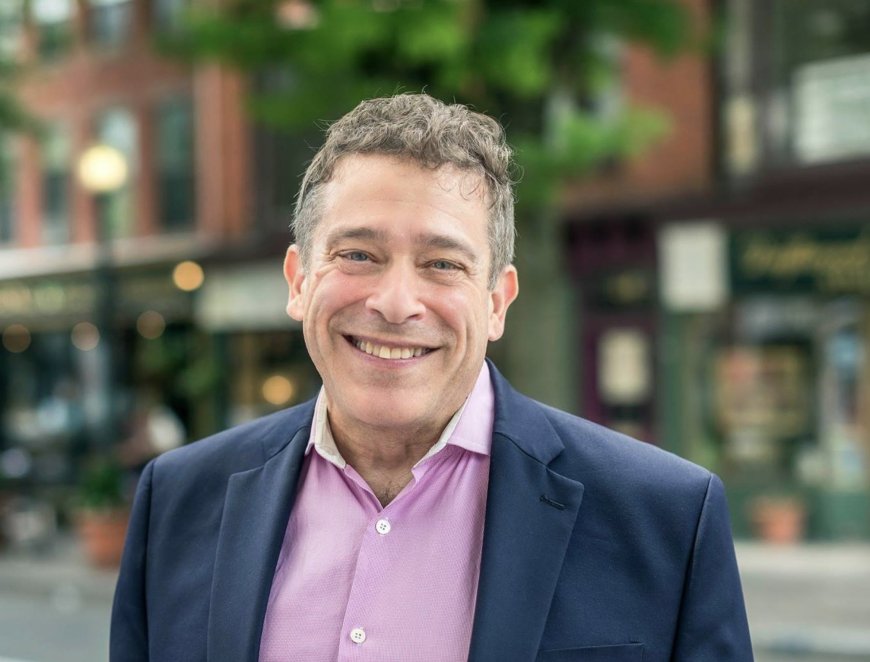

As public trust in media faces unprecedented strain, our stories come under threat of censorship–preserving history is more critical than ever.
Standing at the forefront of this battle is the Stonewall National Museum, Archives & Library, the nation’s premier repository dedicated to safeguarding queer heritage and elevating community voices.
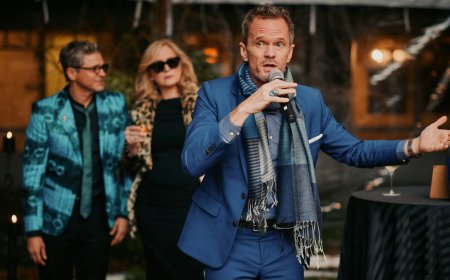
Ahead of Stonewall’s highly anticipated “Focus on the Future“ forum series tonight at the Abbey in Los Angeles — a national dialogue connecting journalists, including Q.Digital’s editorial director Chris Bull, cultural leaders, and the public to examine media accountability, representation, and the fight against erasure — we sat down with Stonewall President & CEO Robert Kesten.
In this interview, Kesten discusses how Stonewall pushes back against political backlash, the power of LGBTQ+ history, and why journalism remains essential to a healthy democracy.
What inspired the creation of your current speaker series, and what impact would you like it to have?
We created the series based on the contents of our library and archives. For most of history, there was not a real give-and-take between media and the LGBTQ+ community. Today, our government has made us the enemy and seems to have put fear in the hearts of publishers and journalists, leading to what may be the most distrustful period in our history. None of us can be successful if we have to keep looking over our shoulder. This is to open a dialogue between the public and the media and find ways to restore balance, trust, and honesty.
Pack your bags, we’re going on an adventure
Subscribe to our weekly newsletter for the best LGBTQ+ travel guides, stories, and more.
Subscribe to our Newsletter today
The Stonewall National Museum, Archives & Library, how is your organization actively combatting the current political backlash against queer books and history?
Our newsletter includes editorial pieces; we contribute to op-eds; our exhibits take on difficult subject matter; we host events welcoming people attacked by the politically powerful. There isn’t a day when we feel out of the fight, although we always feel we can and must do more.
Fave queer book? Movie?
With a library of over 30,000 books and more films than I can count, it would be crazy for me to select one over another. We interview filmmakers and authors regularly… whatever I’m reading or watching is the best one at that moment.
You are focused on expanding educational programs at Stonewall; what are some of the newest initiatives you are implementing to ensure LGBTQ+ history reaches the next generation?
We understand the power of biography and people; with that, we have our Heroes and Honors recipients online. You can find them at HeroesLGBTQ.org or on our website. This is educational, available worldwide, and gives people a sense of what others have done and are doing to make this planet safe for everyone. We work with teachers and administrators, authors, and others to bring stories, history, and the like to wider audiences and, of course, through our exhibits, which we travel across the nation. Lastly, we have starter-kit libraries that give small organizations a chance to share a few books. So we continually explore how to reach out and welcome people in.

Given that the museum is based in Fort Lauderdale, how do you navigate operating in a state where the local administration has taken highly visible actions against LGBTQ+ symbols and rights?
In some ways, it makes it easier. We know what we have, and we know our responsibilities. You have to be where the fight is if you are going to change things. Being in Florida reminds the rest of our community in New York or LA that we deserve the right to live everywhere and still be who we are. The Drag Queens who fought to keep Hamburger Mary’s Drag shows did it in Florida…that helps people everywhere.
Why do you think the GOP in Florida has shifted so aggressively toward these anti-equality measures, and what practical steps can the community take to push back?
Politicians do things to gain power; they seek the lowest-hanging fruit, cause division, and try to divide communities to create friction and weaken opposition. Bad politicians will do anything to win an election, distort the truth, and use the system to their advantage no matter what damage they cause. The community has pushed back and will push back. My guess is there are a few things up our sleeve that will happen before the end of the year, and if those efforts succeed, we will move forward, or we will reinvent and start again. There is no room for defeat in this fight.
When you are not working to preserve history, what are some of your favorite local haunts and cultural spots around Fort Lauderdale?
I know these places exist; I’ve heard about them, but my focus right now and for as long as I’ve been in Fort Lauderdale, has been on the work. I do like walking by the ocean when I can; the smell of salt air is powerful. I’m a very boring person who fell into a position that requires me to think, read, listen — and that keeps me more interesting than I actually aim.
Your past advocacy helped lead to the decriminalization of homosexuality in Ukraine. How does that international experience shape your current global vision for Stonewall?
The international work I’ve done shaped me in ways I am most grateful for and gives me a very different view of what is going on and how it plays out. It reminds me of how important vigilance is, taking risks, and never letting up. I see the world a bit differently than many others, and that impacts our exhibits and programming. It led to us Zooming with an LGBTQ+ community in a refugee camp in Africa and giving some Americans a firsthand experience of just how bad it is in other places. We need to know; we need to do something. We are all part of the same world, and it is our responsibility to make positive change.
You have a deep history of championing health equity, including producing events for the nation’s first AIDS Day treatment center. What lessons from the early fight against HIV/AIDS apply to today’s struggles for marginalized communities?
The fight is for all communities. We must recognize that we are not all equal, but that universal equality must be the end goal. If one group is treated unfairly, it is only a matter of time until there is a next and a next group. We either make things better, or things will get worse. HIV and AIDS are different now than they were in the 1980s and 1990s, but the lack of government support and the fact that this disease is still spreading tell us all how the powers that be, unless they are making money, do not care. We have to care enough to change that.
Looking ahead to upcoming elections, how are you feeling about the prospects for equality at both the local and national levels?
I will be hopeful until it is proven otherwise, but I am cautious as the MAGA movement does not believe in the rule of law, democracy, or the Constitution. That makes them unpredictable. We have seen firsthand how power corrupts, and we still haven’t figured out how to stop them and hold them accountable. One thing is not up for debate: our quest for equality and justice, so the fight will not end on election day.
Related
A peek into LGBTQ+ history at the Stonewall National Monument Visitor Center
It’s not just a space to learn about history, but a place where you feel yourself become part of it.
Join the GayCities newsletter for weekly updates on the best LGBTQ+ destinations and events—nearby and around the world.








![[PHOTOS] The best cosplay from San Diego Comic-Con](https://lgbtprime.com/uploads/images/202407/image_430x256_66a97e8914e56.jpg)