Queer Scout Fights Scouting America Lawsuit in Pride Month Showdown
Queer Scout responds to Scouting America lawsuit, calling case a fight over LGBTQ+ visibility
 Mark
Mark
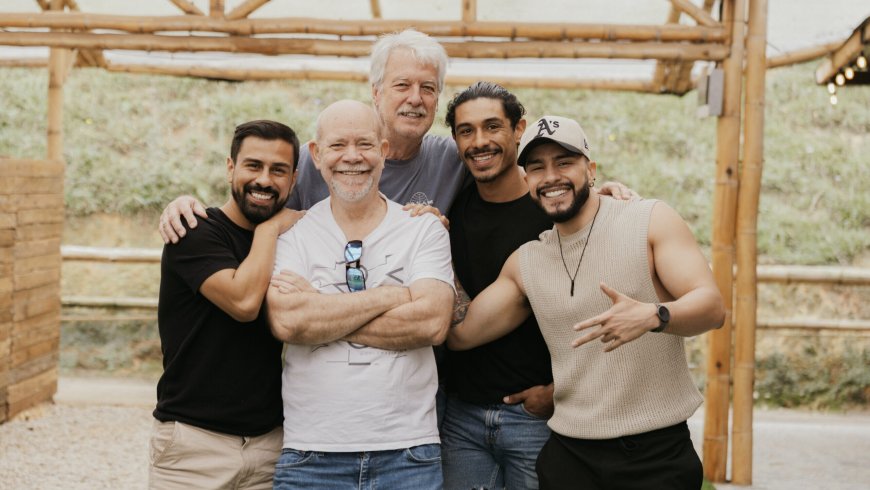
LGBTQ+ travel brand Queer Scout and its partner company OUT in Colombia have filed their formal response to a federal lawsuit brought by Scouting America, formerly known as the Boy Scouts of America, escalating a trademark dispute that began earlier this year and is now playing out in federal court in Texas.
The companies are asking the court to dismiss the case, arguing there is no likelihood of consumer confusion between their work and that of a youth-focused scouting organization. Queer Scout operates LGBTQ+ travel experiences, nightlife programming, and curated cultural trips centered on adult tourism in Colombia.
The legal defense is being led by Dickinson Wright attorney David G. Bray, who said the dispute goes beyond a standard branding conflict.
“Scouting America has filed a federal lawsuit seeking to significantly expand the scope of its trademark rights in the common term ‘scout’ and its ability to control who can and cannot use it,” Bray said. “Our clients strongly dispute the notion that reasonable consumers would confuse a gay travel company serving adults in Colombia with a youth scouting organization. We believe the court should closely examine both the jurisdictional basis for bringing this case in Texas and the legal theories being asserted.” Pride Month Filing Frames Visibility
The filing was submitted on the first day of Pride Month, a timing Queer Scout founder Sam Castañeda Holdren says is significant.
“This case is about more than a name,” Holdren said. “It is about visibility. It is about whether LGBTQ+ businesses are allowed to exist openly and proudly in public life without intimidation. Pride has always been about refusing to disappear — and today, we are choosing visibility over silence.”
Boy Scouts of America, now operating as Scouting America, originally filed the lawsuit in February, alleging trademark infringement tied to Queer Scout’s use of the word “scout.” The company says its branding is distinct and tied to adult travel and cultural experiences, not youth programming. Trademark Dispute Over ‘Scout’
At the center of the case is whether the term “scout” can be broadly controlled by Scouting America across unrelated industries.
Bray argued that trademark law has limits and pointed to the existence of multiple registered trademarks using the word in different commercial contexts.
“Trademark law has limits,” Bray said. “This case raises important questions about fairness, due process, and the scope of trademark rights when common language is used in unrelated industries and contexts.”
Queer Scout maintains that no reasonable consumer would associate its LGBTQ+ tourism services with a youth development organization. The filing also challenges the decision to bring the case in Texas, questioning jurisdiction and enforcement strategy. Political Context And Allegations
The dispute has unfolded alongside broader debates over inclusion policies tied to Scouting America and its public partnerships.
According to the press materials provided by Queer Scout, the timeline overlaps with public pressure involving defense policy commentary on LGBTQ+ inclusion. NPR previously reported on statements from Defense Secretary Pete Hegseth regarding Scouting America’s relationship with federal support and diversity policy discussions, followed by a subsequent agreement between the organization and the Department of Defense.
Holdren pointed to that backdrop in the company’s public messaging.
“We cannot ignore the broader context in which this lawsuit escalated,” Holdren said. “People are naturally going to ask questions when an openly LGBTQ+ company becomes the target of aggressive federal litigation during a period of escalating political pressure surrounding LGBTQ+ visibility and inclusion.” Community Support And Fundraising
Holdren also said the legal defense has been made possible through public support and fundraising efforts after the company faced significant financial pressure.
“Many small businesses never get the opportunity to meaningfully defend themselves when faced with this kind of pressure,” Holdren said. “This fight has only been possible because people across the LGBTQ+ community and beyond recognized that this case is bigger than us. They understood what visibility means.”
“With the support of the community, we’ve been able to assemble an incredible legal team and stand up publicly rather than quietly disappear,” Holdren added.
Supporters have contributed through a public campaign hosted here: Stand With Queer Scout Fundraiser Broader Questions Ahead
As the case moves forward, Queer Scout is positioning the dispute as part legal argument, part cultural flashpoint over language, branding, and LGBTQ+ visibility in public life.
Bray said the outcome could clarify how far trademark protections extend when common terms are used across unrelated sectors, especially when expressive branding is involved.
“Scouting America has filed a federal lawsuit seeking to significantly expand the scope of its trademark rights in the common term ‘scout’ and its ability to control who can and cannot use it,” he said.
For Queer Scout, the stakes are larger than the courtroom. Holdren framed the filing as part of a broader message tied to Pride Month itself.
“Pride Month exists because visibility matters,” he said. “We are here. We are visible. And we are not going away.”