Frameline’s 50th anniversary shows just how far queer San Francisco has come
Frameline’s 50th anniversary shows just how far queer San Francisco has come
 Mark
Mark
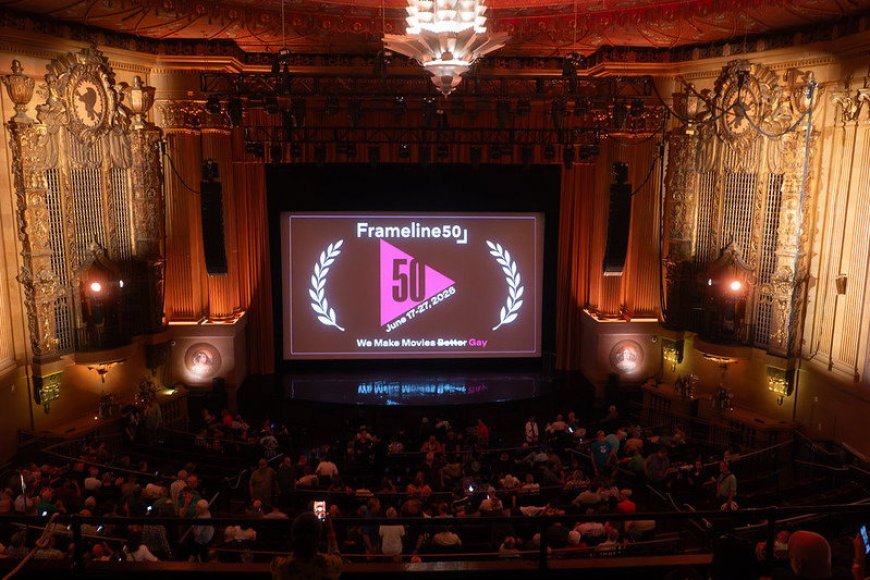
This summer, a San Francisco cultural institution is celebrating a major milestone.
Frameline, the San Francisco International LGBTQ+ Film Festival, kicks off June 17 for its 50th year, bringing queer cinema and cinema lovers together in the Bay Area.
Since it launched in 1977 as The Gay Film Festival of Super-8 Films, Frameline has grown into the longest-running and most widely recognized queer film festival in the world, attracting 40,000 people to its in-person screenings each year.
“Our community is the reason for the Festival’s growth and longevity,” Frameline’s associate director of programs, Kate Bove, told GayCities. “And a key part of our community is that uniquely San Francisco sensibility — that desire to come together and uplift each other no matter the challenges or changes.”

Pack your bags, we’re going on an adventure
Subscribe to our weekly newsletter for the best LGBTQ+ travel guides, stories, and more.
Subscribe to our Newsletter today
In its early days, the city–home to revolutionaries, artists, and activists–provided fertile ground for a festival that aimed to spotlight queer stories ignored by mainstream culture. Frameline has evolved a bit since its first year, when it showcased experimental works projected onto bedsheets.
But while the films screened change to highlight the broader cultural moment, Bove says the festival’s willingness to take risks remains uniquely San Francisco.
“Something we hear a lot from Frameline attendees is that the festival feels incredibly community-centered,” she says. “There’s a real energy to it — all of these queer filmmakers and film lovers gathering together to uplift stories made by, for, and about us. San Francisco’s reputation as a queer haven, and as a place where so much queer history happened, makes folks incredibly excited to come here — to a place that celebrates art and queerness so openly.”
Frameline has also burnished the city’s reputation as a destination for great cinema — not to mention industry networking. The festival, Bove says, is a place where queer industry leaders, tastemakers, and cinephiles gather every June.
“San Francisco is fortunate to have many wonderful film festivals and all of them, including Frameline, connect audiences to vital stories long before they make it into theaters or onto streaming platforms,” she explains. “All of this feeds into San Francisco’s culture and art scene and creates a really special ecosystem of filmmakers and film lovers.”
“For some filmmakers,” Bove adds, “sharing their work in SF might just be the first time they can do so safely and openly and in community.”
And the community is always out in full force during Frameline. As Bove notes, the 11-day festival always culminates in the weekend of San Francisco’s Pride festivities, making it one of the city’s de facto “must-do” Pride Month events.
“It’s great to build on the shared momentum of all the LGBTQ+-centered events happening during Pride Month,” Bove says. “There’s a lot of visibility for LGBTQ+ events and all of our community-led programs and organizations are so supportive of each other and of amplifying everything that makes June in SF so singular.”

Among those events is Frameline50’s June 17 Opening Night Party at The Foundry SF. This follows the festival’s screening of writer, director, and star D’Arcy Drollinger’s Lady Champagne.
The festival will celebrate the start of Pride with the U.S. premiere of Hunky Jesus, director Jennifer M. Kroot’s documentary about San Francisco’s Sisters of Perpetual Indulgence, followed by Frameline’s annual Pride Kickoff Party at The Chapel.

Comedian John Early, director Gregg Araki, and Academy Award nominee Colman Domingo are all scheduled to appear at this year’s festival.
This year, the Frameline experience will be special, not just because it marks the festival’s 50th anniversary. Attendees will get to see another San Francisco icon in a new light. Among the venues where Frameline will host screenings this year is the historic Castro Theatre, which reopened earlier this year following a spectacular two-year, $41 million restoration.
“Our community has shared so many significant moments in that space,” Bove says, “and we’re looking forward to making more unforgettable memories there and at other long-time Frameline venues.”

The festival’s return to the Castro Theatre also marks its return to the storied gayborhood. Between screenings, festival goers can explore the Castro’s many restaurants and bars — like the landmark Twin Peaks Tavern and QBar — situated along the same block.
Frameline’s Festival Hub will take over the space formerly occupied by SF drag institution Hamburger Mary’s, hosting happy hours and other events as well as the Festival Lounge for filmmakers and badgeholders. Just a block south of the Castro Theatre, the Festival Hub will be just steps away from the city’s rainbow crosswalks on 18th Street and the Rainbow Honor Walk featuring bronze plaques commemorating trailblazers such as James Baldwin, Freddy Mercury, and Frida Kahlo.
“There’s truly something for everyone,” Bove says of June in San Francisco. “We love to be the Pride event both for folks who want to gather and party with their community and folks who want to sit in the dark and share in a communal cinematic experience.”
Join the GayCities newsletter for weekly updates on the best LGBTQ+ destinations and events—nearby and around the world.