Marriage Equality (“Marriage for All”): History, All Countries & Current Developments 2026
Karl Krause WORLDWIDE: Marriage equality worldwide: All about its history, countries with marriage for all, key legal milestones, and current developments up to 2026. The post Marriage Equality (“Marriage for All”): History, All Countries & Current Developments 2026 appeared first on Gay Travel Blog - Couple of Men.
 Mark
Mark
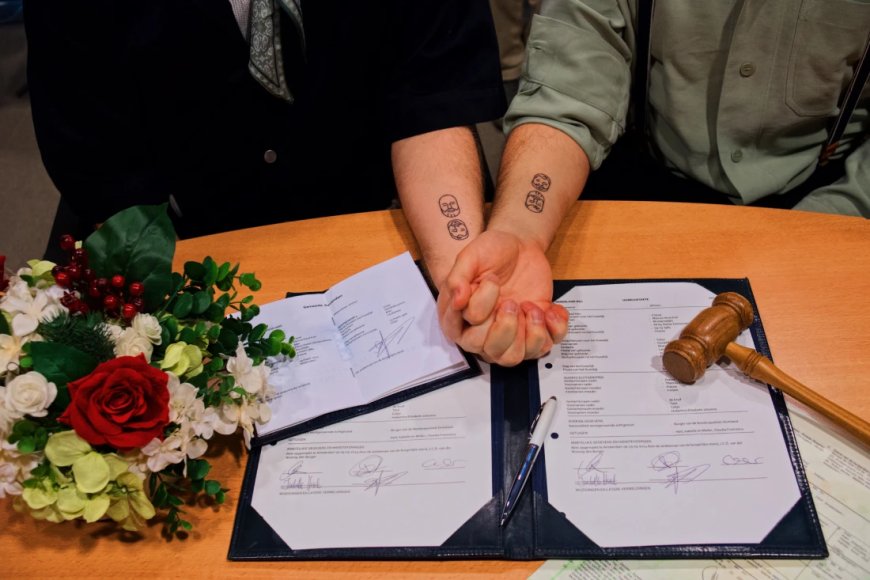
For more than 20 years, same-sex couples have been able to marry in many countries, a milestone for equality and human rights. As a married gay couple traveling internationally, we experience the differences in marriage equality around the world firsthand. Our article gives you a comprehensive overview of the history of “same-sex marriage” in every country where it has been introduced, current global developments, and the future outlook for marriage equality. We show how “marriage for all” has become established worldwide and what special features the legislation provides.
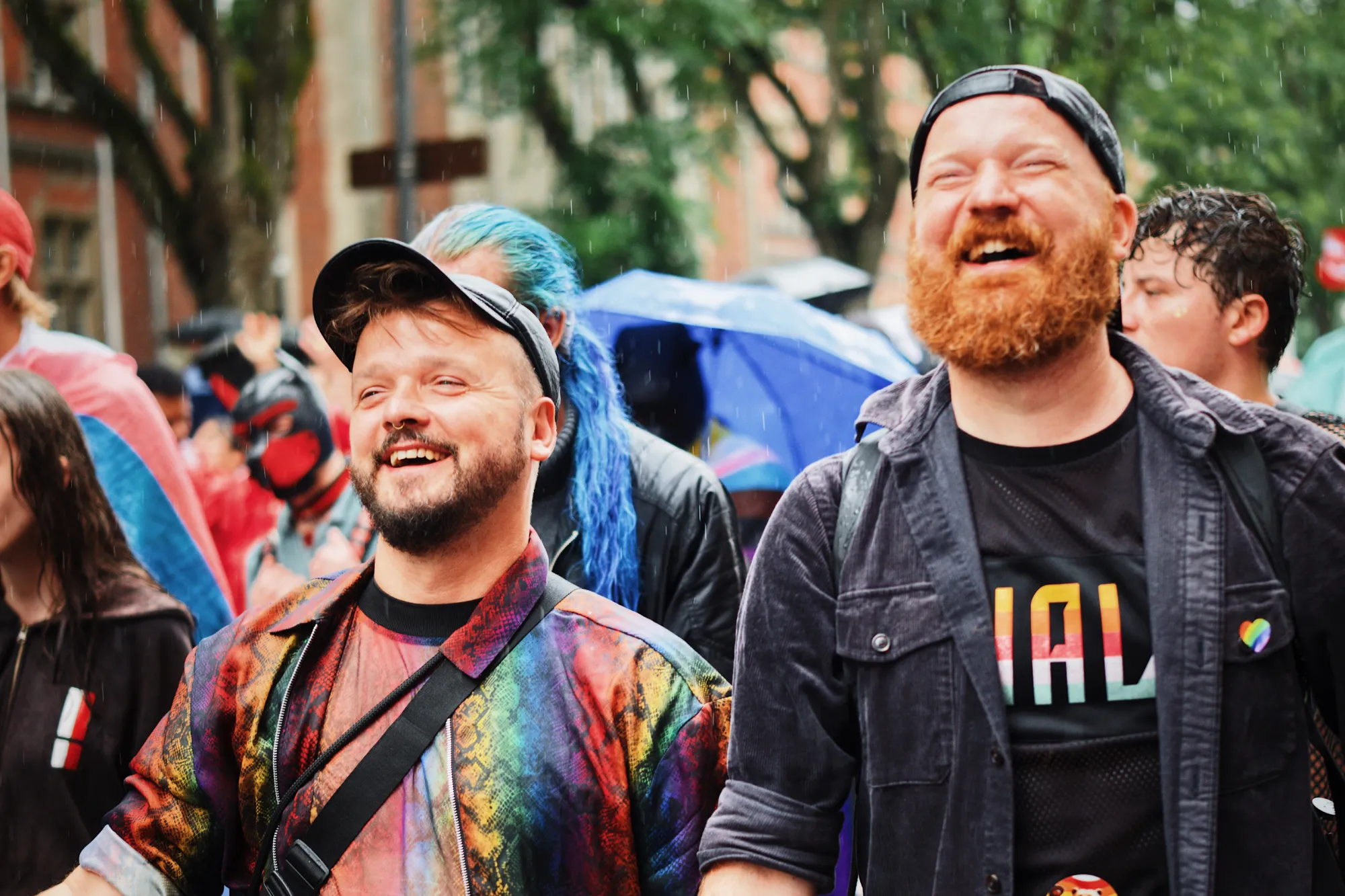
The legal equality of same-sex partnerships has made major progress worldwide. While only a few countries recognized these rights a few decades ago, 39 countries around the world have now followed this example. Marriage for all stands not only for the right to marry, but also for the social recognition of queer people, the legal security of the LGBTQ+ community, and equal rights for so-called rainbow families. In this article, we examine the origins, development, and global impact of marriage equality, from the first laws to the latest developments of same-sex marriage.

Advertisement
KLM Flight Deals
Fly around the world with our gay-friendly partner KLM Royal Dutch Airlines, and its partners Air France and Delta Air Lines in Economy, Premium Comfort and Business Class to LGBTQ+ welcoming destinations worldwide.
What Does “Marriage for All” or Marriage Equality Mean?
Short Definition:
“Marriage for all” (also known as marriage equality) refers to the legal equality of same-sex couples with that of heterosexual couples. It allows two people, regardless of gender, to enter into a civil marriage and receive the same rights and obligations. These include, among other things, tax law, inheritance law, adoption rights, and access to social benefits.
In addition to legal recognition, marriage equality is an important social milestone because it symbolizes acceptance and equal rights. This principle is based on equality before the law and is a central part of modern LGBTQ+ equality movements and LGBTQ+ rights.
From Man and Woman to Diverse Possibilities
Historically, marriage was defined in almost all societies as a union between a man and a woman. This definition was closely tied to social ideas of family, gender roles, and reproduction. Only through decades of activist struggles, legal disputes, and social change did this understanding begin to open up.
Today, same-sex marriage stands not only for a “simple legal adjustment,” but also for profound social change. It is about visibility, recognition, and the possibility of living relationships openly and equally. For many LGBTQ+ people, the opening of marriage means very concrete changes in everyday life:
- legal protection of partnerships
- access to tax and inheritance rights
- medical decision-making authority
- protection of shared children
- social recognition
As a gay couple, we notice again and again in everyday life how much this equality affects our lives. Often, it is the small moments: a form listing both of us as spouses, a hotel check-in without questions, or the matter-of-fact way we are perceived as a family.
Moreover, “marriage for all” plays an important role in the international context. Even if a same-sex marriage is legally recognized in one country, it may have different consequences in another state. Questions about the recognition of marriages across borders concern issues such as residence rights, citizenship, and family reunification. For international couples or traveling LGBTQ+ people in particular, the legal situation is often complex and requires careful preparation.
Historical Developments of “Marriage for All”
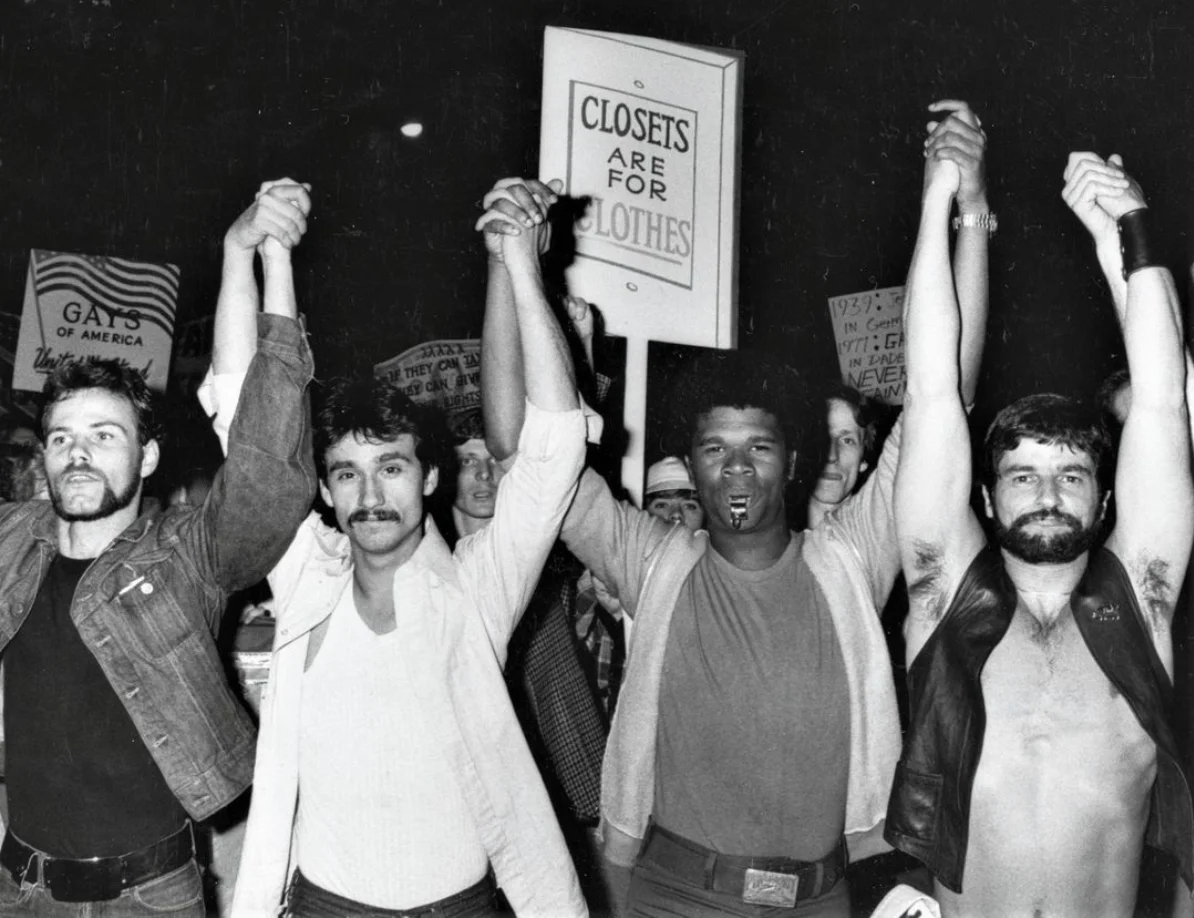
The discussion around marriage equality began as early as the mid-20th century. The first legal recognition of same-sex partnerships occurred in the 1980s and 1990s, primarily as registered partnerships or civil unions. In 2001, the Netherlands became the first country in the world to introduce marriage for all, triggering a global domino effect. Since then, numerous countries have gradually legalized marriage for same-sex couples, often accompanied by social debate and political reforms.
Interestingly, this development did not follow a linear path. While some countries introduced progressive laws early on, other regions initially experienced setbacks or lengthy political deadlock. In numerous instances, years of debate on registered partnerships preceded the introduction of marriage for all, serving as an “interim solution.” Although these models sometimes offered similar rights, they still fell short of full equality both legally and symbolically.
Also interesting: The best travel bloggers of the year
Milestones & Turning Points
The development of “marriage for all” is closely linked to the history of the LGBTQ+ movement. Already in the 20th century, there were initial demands for legal equality, but for a long time, issues such as decriminalization and protection against discrimination took center stage. A decisive turning point came in 2001. The Netherlands became the first country in the world to open marriage to same-sex couples. This decision was the result of years of political debate and social change.
On the night of April 1, 2001, the first four same-sex couples married in Amsterdam. These ceremonies were not only symbolic but also marked a global milestone. For the first time, a state fully recognized same-sex relationships within the framework of marriage. In the years that followed, marriage equality spread step by step:
- 2003: Belgium
- 2005: Spain and Canada
- 2006: South Africa
- 2009–2013: several European countries, as well as Argentina, Uruguay, and New Zealand
Parallel to these developments, international organizations and courts also played an increasingly important role. Decisions by constitutional courts, as well as rulings by international institutions, contributed significantly to reducing discrimination and questioning existing laws. Often, lawsuits brought by individual couples triggered fundamental changes and ultimately led to the opening of marriage.
A particularly significant moment for our many friends and us in the United States came in 2015, when the U.S. Supreme Court ruled that same-sex couples may marry nationwide. This ruling had a far-reaching symbolic impact and influenced debates worldwide. Since then, “marriage for all” has become established as marriage equality in many parts of the world, especially in Europe and the Americas. At the same time, global development remains very uneven.
In Germany, the Bundestag voted in 2017 in favor of marriage for all, thereby paving the way for marriage equality in German law.
Marriage Equality: Synonyms for Marriage for All
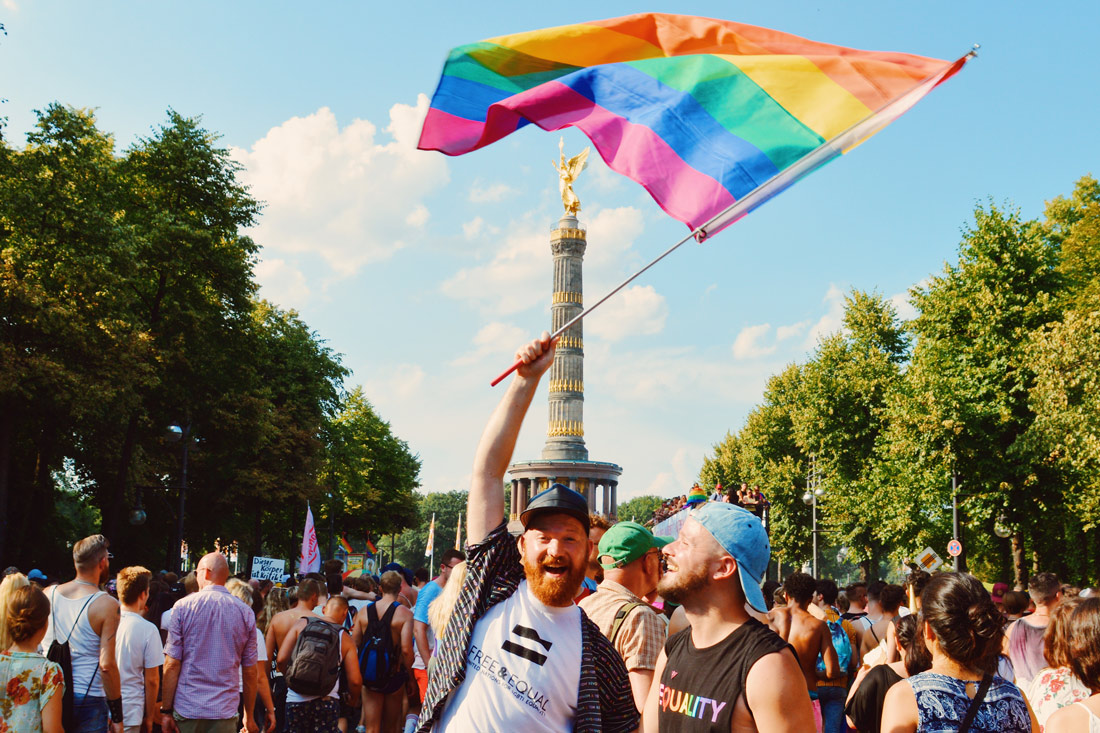
The term “marriage for all” refers to the legal possibility for couples of any gender to marry. Colloquial terms such as “gay marriage,” “lesbian marriage,” or “same-sex marriage” are also frequently used. However, these labels are limited in content: “lesbian marriage” includes only female couples, “gay marriage” only male couples, and, depending on the context, “gay marriage” may refer both to registered partnerships and to full marriages.
In international contexts, the same matter is discussed under terms such as “same-sex marriage” (English) or “mariage gay/mariage homosexuel” (French). To describe the opening of marriage beyond the traditional man-woman model, people also speak of gender-independent marriage. That means all couples have the same right to marry, that is, to an equal marriage in which the rights of all couples are protected equally.
The expression “marriage for all” (“mariage pour tous”) was shaped by the French debate on opening marriage under François Hollande in 2012 and has since become established internationally. Unlike more neutral terms, “marriage for all” emphasizes the inclusive character by bringing different-sex and same-sex marriages together under one shared concept. This terminology is intended to illustrate the fundamental principle of equality for all people, regardless of their partners’ gender. You can find more linguistic nuances and terminology related to the key concepts of the LGBTQ+ community in our blog article “LGBTQ+ Terms: Understanding Queer Language and Using It with Respect”.
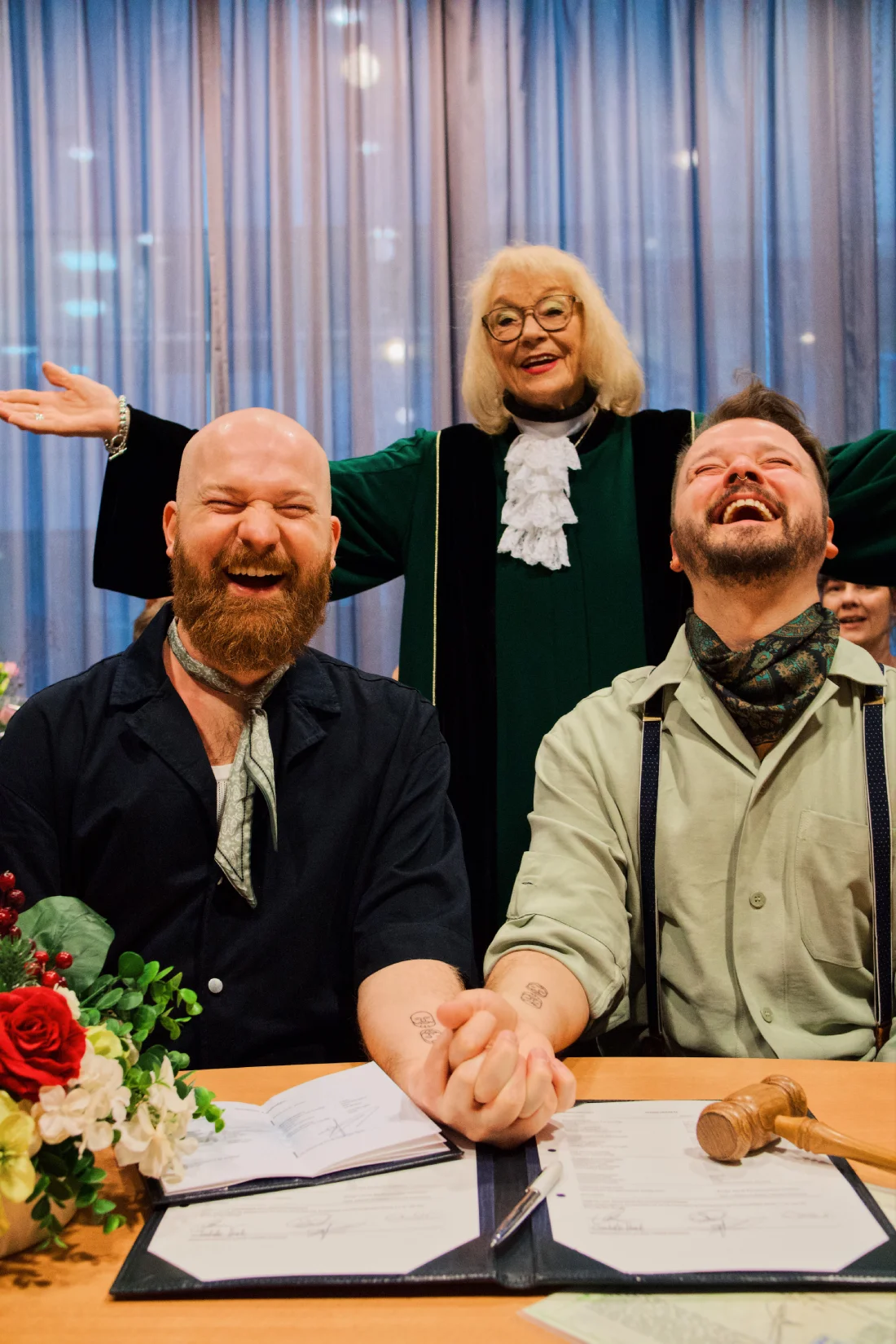
From a media perspective, it is also relevant that terms vary by region and target audience. While “marriage for all” is the most common term in German-speaking countries, “marriage equality” is more commonly used internationally. Both terms describe the same legal matter, but appeal to different cultural and political contexts.
Countries with Marriage for All
By 2025, 39 countries had introduced marriage for all. These range from European countries such as Germany, France, and Spain to countries in North and South America, as well as Oceania. Many legal frameworks include additional provisions such as full adoption rights or access to assisted reproduction for lesbian couples. Depending on the political system of the respective country, marriage equality is usually introduced through parliaments, courts, or referendums. This development shows that legal equality is possible both legally and socially, but unfortunately has still not become the global standard.
A decisive factor in its introduction is often the combination of social change, political will, and judicial decisions. In some countries, opening marriage was passed by broad parliamentary majorities, while in others, courts played a central role by ruling existing discrimination unconstitutional. Referendums such as those in Ireland or Switzerland also show that social acceptance is an important foundation for lasting legal change.
Marriage for All Worldwide: List of All Countries at a Glance
We have arranged all countries in which marriage for all has been introduced in chronological order by the year it entered into force. This offers a quick overview of the global development of marriage equality and highlights regions where LGBTQ+ rights are particularly advanced. The following table provides an overview of all countries with marriage equality worldwide:
Country Continent In force since Adopted by Special features Netherlands Europe Apr. 1, 2001 Parliament In the Caribbean Netherlands since Oct. 10, 2012, registration is possible in Aruba, Curaçao, and Sint Maarten Belgium Europe June 1, 2003 Parliament – Spain Europe July 3, 2005 Parliament – Canada North America July 20, 2005 Parliament Already open in 8 provinces/1 territory since June 10, 2003 South Africa Africa Nov. 30, 2006 Parliament – Norway Europe Jan. 1, 2009 Parliament – Sweden Europe May 1, 2009 Parliament – Portugal Europe June 5, 2010 Parliament Adoption rights for same-sex couples since Dec. 18, 2015 Iceland Europe June 27, 2010 Parliament – Argentina South America July 22, 2010 Parliament – Denmark Europe June 15, 2012 Parliament – Brazil South America May 16, 2013 Court Already open in 15 states + the Federal District since Jan. 6, 2012 France Europe May 18, 2013 Parliament – Uruguay South America Aug. 5, 2013 Parliament – New Zealand Oceania Aug. 19, 2013 Parliament Tokelau: no marriages possible Luxembourg Europe Jan. 1, 2015 Parliament – United States North America June 26, 2015 Court Already open in 38 states + the District of Columbia since May 17, 2004; American Samoa: not possible Ireland Europe Nov. 16, 2015 Parliament Introduced by referendum on May 22, 2015 Colombia South America Apr. 28, 2016 Court Nationwide opening of marriage confirmed Finland Europe March 1, 2017 Parliament Law already passed on Dec. 12, 2014; delayed by objections Malta Europe Sep. 1, 2017 Parliament – Germany Europe Oct. 1, 2017 Parliament Introduction of marriage for persons of the same sex Australia Oceania Jan. 9, 2018 Parliament – Austria Europe Jan. 1, 2019 Court The court set an 18-month deadline for implementation Taiwan Asia May 24, 2019 Parliament Constitutional Court in 2017; law in 2019 Ecuador South America July 8, 2019 Court – United Kingdom Europe Jan. 13, 2020 Parliament England/Wales 2014, Scotland 2014, Northern Ireland February 2020 Costa Rica North America May 26, 2020 Court Court set an 18-month deadline for implementation Chile South America March 10, 2022 Parliament – Switzerland Europe July 1, 2022 Referendum 64.10% approval Slovenia Europe July 8, 2022 Court Effective immediately Cuba North America Sep. 26, 2022 Referendum 66.87% approval with 74% voter turnout Mexico North America Oct. 26, 2022 Court The Supreme Court ruled in 2015 that the ban was unconstitutional Andorra Europe Feb. 17, 2023 Parliament – Nepal Asia June 29, 2023 Court First marriage on Nov. 29, 2023; provisional regulations Estonia Europe Jan. 1, 2024 Parliament – Greece Europe Feb. 16, 2024 Parliament 69.29% of members of parliament voted in favor Liechtenstein Europe Jan. 1, 2025 Parliament – Thailand Asia Jan. 22, 2025 Parliament Lower house/Senate in December 2023; royal approval in September 2024
Note: This table can be expanded and will be kept up to date by us.
A look at the development reveals clear regional differences: particularly, many countries with marriage equality are located in Europe, as well as North and South America. In Asia and Africa, legal equality has been implemented far less frequently. This uneven distribution shows that marriage equality is still not the global standard, but depends heavily on political, social, and cultural conditions.
For travelers and international couples, this overview is especially helpful because it allows them to quickly see which countries legally recognize their marriage. Still, one thing remains true: even in countries with “marriage for all,” there may be differences in areas such as adoption rights, reproductive medicine, or tax regulations. A closer look at the respective national laws, therefore, remains essential.
Marriage for All Worldwide: Current Developments & Outlook
Is the debate around marriage for all a closed chapter? No. Rather, we can describe it as a global process with different stages of development across regions worldwide. Current developments range from fully established marriage equality to ongoing legal disputes and political debates.
Developments are especially dynamic presently in regions where full equality does not yet exist. New legislative initiatives, court proceedings, and social movements are emerging there that could lead to long-term change. At the same time, some countries show that rights once achieved can also be politically questioned.
Within the European Union, a groundbreaking ruling by the European Court of Justice has attracted considerable attention: in a judgment issued in November 2025, the court ruled that EU member states must recognize same-sex spouses who were lawfully married in another EU country. This applies even if the respective country does not provide for same-sex marriage in its own legal system. The reason is that otherwise fundamental EU rights such as freedom of movement and the right to family life would be violated. However, the court made it clear that this does not mean EU states are required to incorporate “marriage for all” into national law. They are only required to recognize such marriages when they were lawfully concluded in another EU country.
In some EU countries, such as Poland, national law remains restrictive, and political debates about a possible opening of marriage or broader legal forms (for example, civil contracts) continue. Although constitutional law there currently blocks nationwide marriage equality, political initiatives and legal questions show that the issue remains on the agenda. In the Czech Republic as well, a legal change is being intensively debated, but remains politically contested.

Gay Travel Index 2026
Spartacus from Berlin shows LGBTQ+ travelers how queer-friendly a vacation destination is, based on various rankings and criteria.
Which country is number one? Which country is safe to travel to as a gay or queer person?
Use the GTI to plan your gaycation!
Developments Beyond the EU
Similar legal disputes are underway in parts of Africa: in countries such as Namibia and Botswana, same-sex couples and human rights organizations are seeking equal rights in national courts, or at least recognition of existing partnerships. However, these proceedings have dragged on through several legal instances and have not yet been concluded. (Status: 2026; observations based on LGBTQ+ legal reporting and civil society reports)
In Latin America and Asia, political and legal debates are also increasing: in Peru, the legal recognition of same-sex couples is being debated, even though leading political actors there mostly hold opposing positions. Brazil shows that existing rights are increasingly expected to be additionally secured in statutory law. In Japan, several court rulings are increasing political pressure to introduce marriage for all. In the Philippines, President Ferdinand Marcos Jr. has signaled that a legislative process for same-sex civil partnerships could be considered if a corresponding political and social majority emerges. This step would go beyond registered family forms. (Source basis: regional legal developments and political statements, status 2026)
What Comes Next for Marriage for All
Despite this progress, many regions, especially parts of Africa and the Middle East, remain places where LGBTQ+ rights are restricted or even further tightened. In such contexts, not only are same-sex marriages not recognized, but other legal protection mechanisms for LGBTQ+ individuals, queer couples, and families are also severely limited.
Overall, one thing is clear: the global landscape of marriage equality remains uneven. The trend, however, is toward greater legal recognition and equality, accompanied by continuous political, legal, and social debates.
Legal Security & Possible Changes to “Marriage for All”
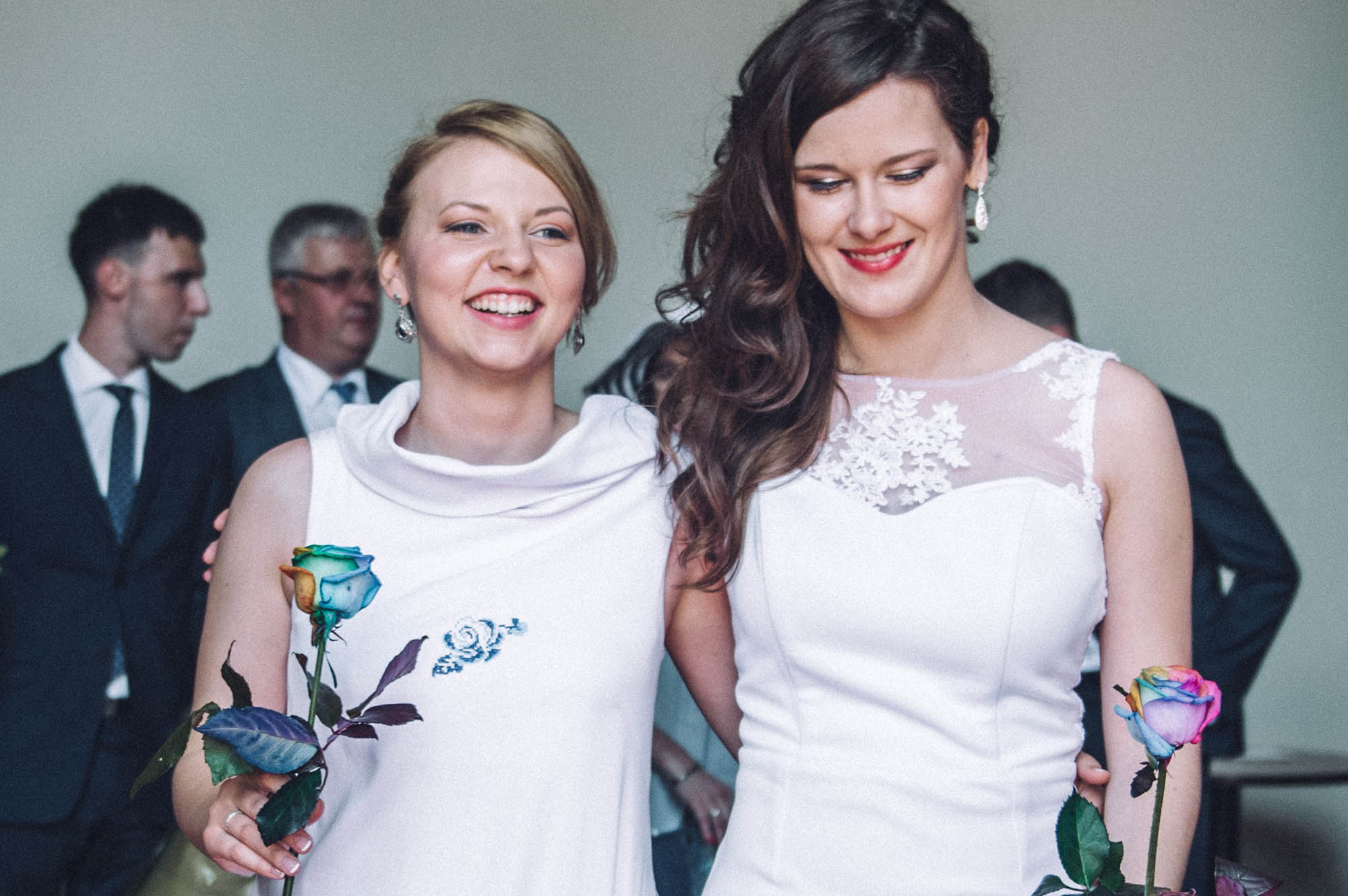
Although “marriage for all” is being introduced in more and more countries, it is legally neither automatically untouchable nor definitively binding. Developments in different countries show that political majorities, court rulings, or constitutional amendments can influence marriage equality at any time. This uncertainty makes clear how strongly legal equality depends on political conditions. Changes in governments, social majorities, or legal interpretations can directly affect existing laws.
That is why continuous monitoring of the legal situation remains an important issue for LGBTQ+ couples and families. A vivid example can be seen in the current political developments in the United States: after the Supreme Court’s decision in Obergefell v. Hodges (2015), “marriage for all” was introduced nationwide. At the same time, political debates and court cases show that local legislative initiatives or possible new majorities could theoretically try to reintroduce restrictions, even though this remains highly controversial at present.
This example makes one thing clear: marriage for all means legal equality, but not absolute permanence. Activism, political participation, and the continuous defense of LGBTQ+ rights, for example, through Pride and CSD events, remain crucial in safeguarding the progress already achieved.
Special Challenges
Even though marriage for all has been introduced in 39 countries, obstacles still remain:
- Religious influences: In some countries, marriage equality is blocked by religious institutions.
- Regional differences: In federal states such as the United States or Mexico, individual states can create their own rules.
- Adoption rights and family policy: In not all countries are adoption rights for same-sex couples automatically guaranteed.
Travel planning: Germany CSD Calendar 2026: List of 180+ Pride Events
Countries Without “Marriage Equality”
In many countries around the world, marriage for all is still not allowed. While some countries at least have comparable arrangements, such as registered partnerships, around 150 countries still lack any legal recognition of same-sex relationships. The differences are considerable and directly affect the everyday lives of LGBTQ+ people. In some countries, such as Saudi Arabia, Iran, Nigeria, or Yemen, homosexual relationships can be criminally prosecuted, in some cases with imprisonment or even the death penalty.
In countries without legal equality, restrictions often also affect fundamental human rights. These include a lack of access to inheritance rights, tax advantages, or social protection. Medical decisions or hospital visitation rights can also become problematic when partnerships are not recognized. In especially restrictive states, the limitations go even further: same-sex relationships are criminalized and may be punished with imprisonment or other sanctions. This legal situation increases risk in everyday life and affects how openly people can live their identities.
For us as a gay couple, this also becomes apparent when traveling. While in countries with marriage equality, we can often move around freely and naturally, staying in other regions requires much more caution. Decisions about visibility, affection, or appearing together in public are made consciously there and depend heavily on the specific legal and social situation. For guidance, we use the annual Gay Travel Index and work closely with the IGLTA (International LGBTQ+ Travel Association).
At the same time, there are also countries where the situation is slowly changing. International attention, economic interdependence, and the influence of global human rights organizations contribute to LGBTQ+ rights increasingly becoming part of political discussions. Even if progress is often slow, many developments show that long-term changes in favor of recognition, equality, and acceptance are fundamentally possible.

LGBTQ+ travel guides 2026: safe & inclusive
Tested for safety, inclusion, and being a queer welcoming destination worldwide—from vibrant city breaks to outdoor escapes! Our LGBTQ+ and gay travel guides help you to travel with confidence.
Why Marriage for All Matters
In everyday life, the importance of these rights often becomes clear in concrete situations: for example, when partners are recognized as next of kin in the hospital, when shared children are legally protected, or when couples are not disadvantaged for tax purposes. Without this equality, many LGBTQ+ couples have to take additional legal steps or remain unprotected in certain areas:
- when securing legal protection for partnerships
- for equal access to tax advantages
- missing or unclear rules regarding inheritance and assets
- often no legal protection for children in rainbow families
- unclear or missing medical decision-making rights in emergencies
For rainbow families, opening marriage often also means that both parents can be legally recognized. This creates reliability for children and ensures clear responsibilities in everyday family life. Studies show that children in same-sex families grow up under conditions comparable to those of children in other family forms. But that is just an additional note here.
At the same time, marriage for all does not solve every challenge. Discrimination, social prejudice, and missing rights for trans, intersex, and non-binary people still continue in many countries. Legal equality is therefore an important step, but not the end of the story.
Besides the legal advantages, marriage for all also carries a strong symbolic meaning. It signals social acceptance and equal worth and helps reduce prejudice. For many queer couples, it is therefore both a legal step and a personal statement for visibility and self-determination.
Read more: Yes, it’s true – we have two children!…
“Marriage for All” & Travel: What LGBTQ+ Travelers Should Know
For LGBTQ+ travelers, the legal situation in the destination country plays an important role. A marriage recognized in one country may have no legal significance in another country. This affects various aspects of travel:
- entry requirements at passport control
- medical emergencies and access in hospitals
- legal recognition of partnerships
- safety in public spaces
Our experience shows: legal equality does not automatically mean social acceptance, and vice versa. That is why it is important to research both the legal and social situation for queer travelers in the vacation destination before every trip.
You can find a regularly updated overview of safety and legal conditions for LGBTQ+ travelers in our article on the situation of LGBTQ+ people worldwide.
Especially for long-haul travel or stays outside Europe, thorough research in advance is worthwhile. In addition to the legal situation, social attitudes also play an important role in safety and personal well-being. In some countries, it is advisable to show public affection more discreetly, while in others, an open display is acceptable without issue.
The Future of Marriage Equality: What Comes Next for “Marriage for All”?
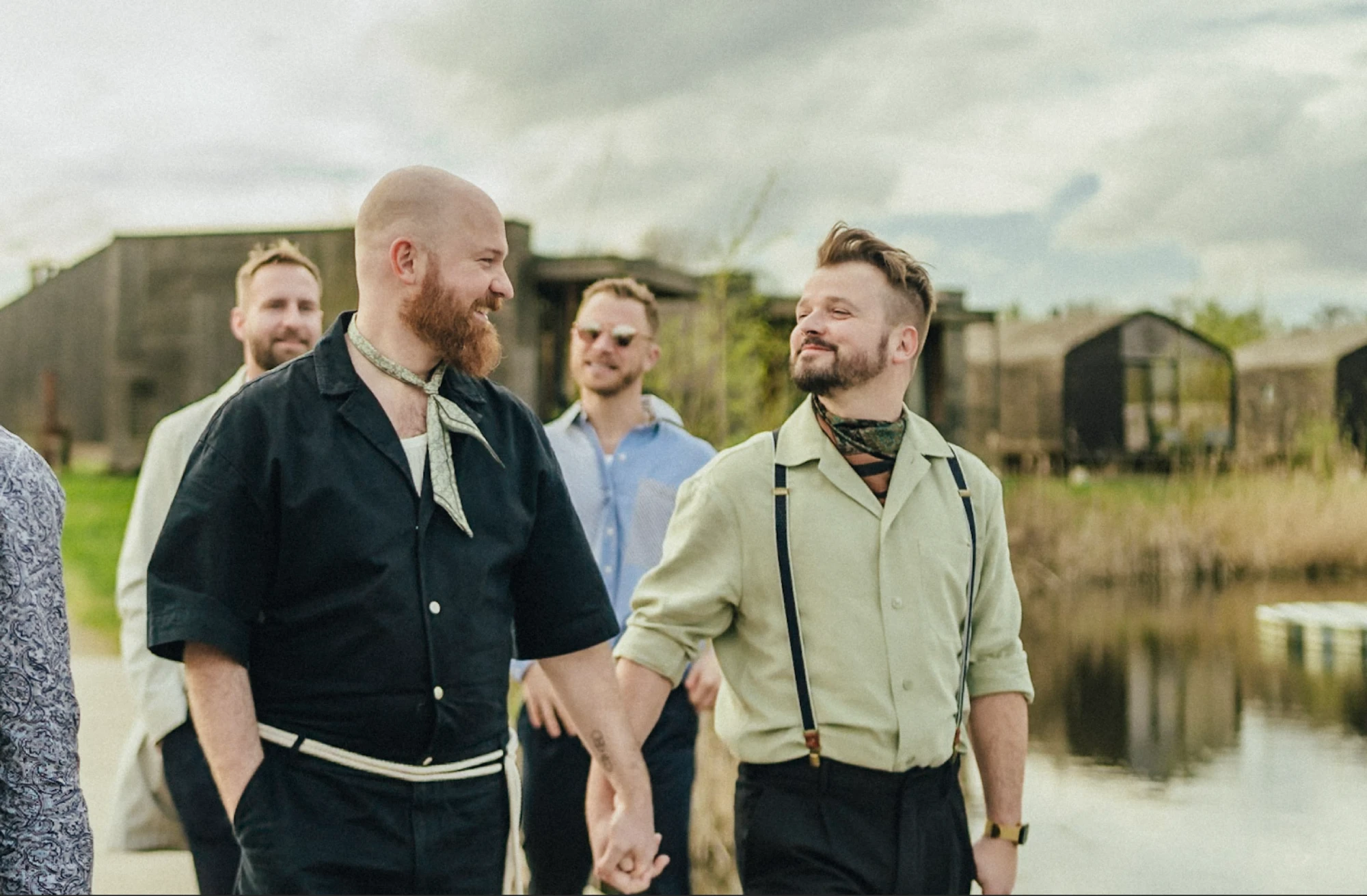
The development of equal marriage is far from complete. While some countries are making progress, there are also setbacks and stagnation.
International organizations, activists, and political movements continue to work on advancing equality worldwide. At the same time, social attitudes are changing in many regions.
The coming years will show how these developments continue and which countries will next open marriage.
Did you enjoy this article? Then we’d be happy if you liked it and shared it with your friends!
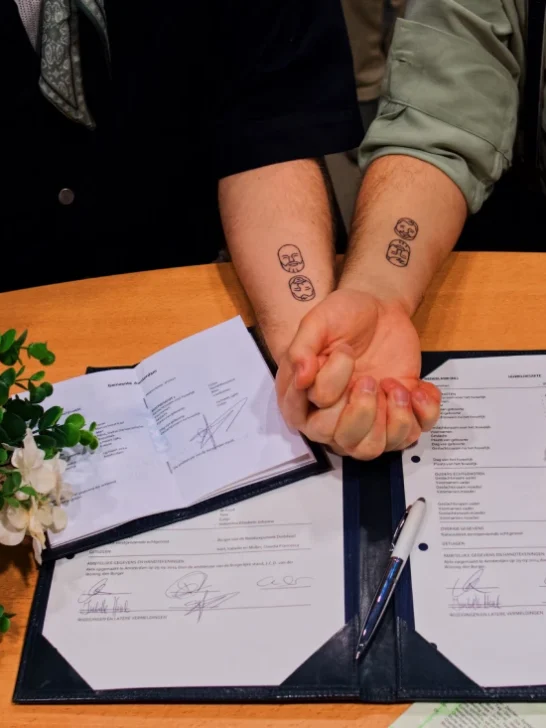
In the long term, it will become clear whether marriage for all becomes a global standard. The developments so far suggest that the trend is moving toward equality, albeit at different speeds across regions. What is clear is that the debate remains relevant and will continue to play a central role in social and political discourse.
Would you like more of our LGBTQ+ travel, queer outdoor experiences, ski weeks, or other mountain destinations? Then browse our travel guides or write to us if you are looking for personal tips. You can also follow us on Facebook, Threads, TikTok, YouTube, Pinterest, and Instagram. We’re already looking forward to hearing from you! Karl & Daan.
The post Marriage Equality (“Marriage for All”): History, All Countries & Current Developments 2026 appeared first on Gay Travel Blog - Couple of Men.