In the face of opposition, the Smithsonian shines a light on queer, African art
Queer, Black art takes centre stage at a Smithsonian exhibition in DC.
 Mark
Mark

Institution (Photo: Brad Simpson, 2026)
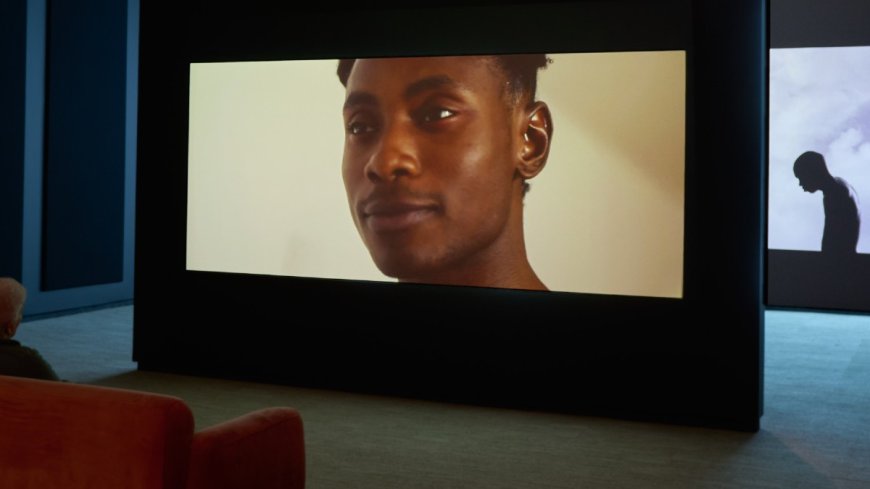
The Smithsonian Institution in Washington, D.C., is currently hosting an exhibition of art by LGBTQ+ artists from Africa and its diaspora.
Here: Pride and Belonging in African Art can be found at the Smithsonian’s National Museum of African Art. It runs through until August 23, 2026. Admission is free.
The show features 60 works from 30 artists. It includes painting, photography, sculpture, video, and digital art. It seeks to highlight how queer artists have long been a part of Africa’s art history.

Institution (Photo: Brad Simpson, 2026)
Pack your bags, we’re going on an adventure
Subscribe to our weekly newsletter for the best LGBTQ+ travel guides, stories, and more.
Subscribe to our Newsletter today
Serubiri Moses and Kevin D. Dumouchelle co-curated the exhibition.
“These stories have always been a part of African art history, even if that history remains underwritten,” Dumouchelle said in a press statement. “‘Here’ uncovers that history. As a field-leading institution, it’s important that we tell nuanced narratives about artists working in Africa and its diaspora to increase our understanding of the art historical canon.”

Institution (Photo: Brad Simpson, 2026)
Moses added that curating the show was an honor. He said he was keen “to think about countries beyond two oft-cited geographies of South Africa and Nigeria. As a result, the exhibition includes artists from across the continent.”
Artists featured in the show include Zanele Muholi, Toyin Ojih Odutola, Rotimi Fani-Kayode (who died of complications from AIDS in 1989 at age 34), among many others.

Institution (Photo: Brad Simpson, 2026)
Art show postponed
The exhibition was originally scheduled for last summer, to coincide with D.C.’s World Pride celebrations. However, it was abruptly postponed.
The Smithsonian said at the time this was due to budgetary issues. However, many wondered if the Tr*mp administration’s criticism of the Smithsonian’s exhibitions also played a role. The White House warned of a cut to funding if the world-renowned institution failed to remove “divisive or ideologically driven language” from exhibitions and gallery texts.
The criticism of anything deemed “woke” continues. Just last week, the US House rejected legislation to advance construction of the Smithsonian American Women’s History Museum. Although the bill initially had bipartisan support, Republicans later added an amendment dedicating the museum to “preserving, researching, and presenting the history, achievements, and lived experiences of biological women in the United States”. It also prohibited the institution from seeking to “identify, present, describe, or otherwise depict any biological male as a female.”
The legislation subsequently failed when Democrats and a handful of Republicans voted it down.

Institution (Photo: Brad Simpson, 2026)
Fortunately, the Here: Pride and Belonging in African Art show was only pushed back and it can now be enjoyed in all its glory.
Special events
The Smithsonian also hosts a couple of associated events around the exhibition. Four of the artists whose work features in the show join curator Kevin Dumouchelle for a panel discussion on Thursday, June 18, 2026, from 5-6pm.

Institution (Photo: Brad Simpson, 2026)
Then, on Saturday, June 20, enjoy a Solstice Celebration of African Art with late opening hours. Live performances will come from DJ SIO, VJ Inka, and Moroccan-influenced rock band The Leila. That also happens to be the day of the Capital Pride Parade. The parade normally takes place on the second weekend of June. However, organizers pushed it back this year to avoid clashing with events to mark the 250th anniversary of the United States — and a certain President’s birthday.
Related
D.C. Pride announces 2026 date change to avoid a clash with a certain someone’s birthday
There’s another potentially awkward clash brewing in Seattle, but local organizers are vowing to press ahead with plans.
Join the GayCities newsletter for weekly updates on the best LGBTQ+ destinations and events—nearby and around the world.








![[PHOTOS] All the celebs who turned up for the ‘Drag Race’ premiere at this NYC hotspot](https://lgbtprime.com/uploads/images/202512/image_430x256_693f4f8a82b5f.jpg)