
Trump administration finalizes restrictions on Medicaid and CHIP funding for youth gender-affirming care
The Trump administration is finalizing a rule restricting Medicaid and the Children’s Health Insurance Program from covering gender-affirming care for trans youth, according to a document set to be published by the Department of Health and Human Services (HHS). The White House first proposed the rule last December under HHS Secretary Robert F. Kennedy, Jr, … Read More
 Mark
Mark
0
33
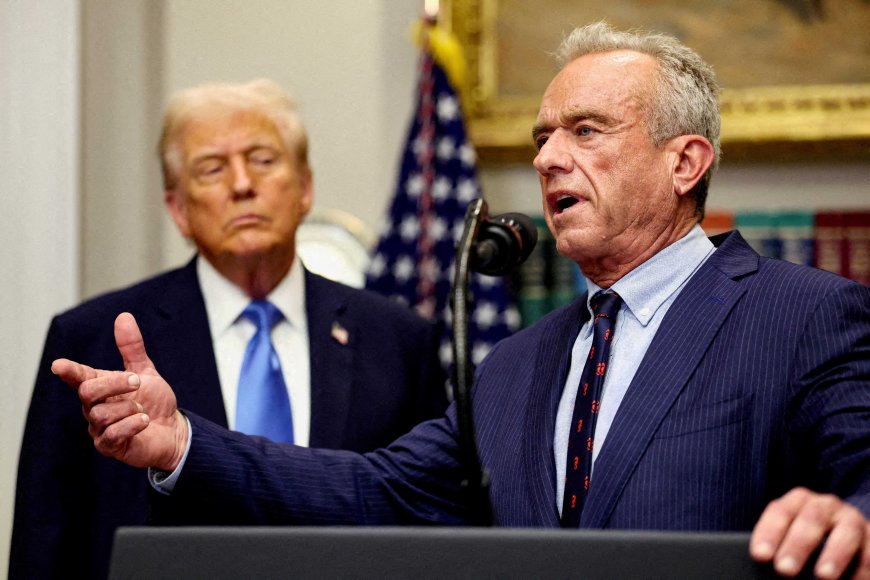
The Trump administration is finalizing a rule restricting Medicaid and the Children’s Health Insurance Program from covering gender-affirming care for trans youth, according to a document set to be published by the Department of Health and Human Services (HHS).
The White House first proposed the rule last December under HHS Secretary Robert F. Kennedy, Jr, who falsely asserted at the time that gender-affirming care for youth amounted to "unsafe, irreversible practices." Now, roughly eight months after proposing the policy, the Trump administration is racing to make good on its plan to pull funding for gender-affirming care for youth.
The rule stipulates that state and federal Medicaid plans cannot fund what the Trump administration describes as "sex-rejecting procedures" for children under the age of 18. The rule also bars both the state and federal versions of the Children's Health Insurance Program (CHIP) from making any payments "under the plan for sex-rejecting procedures" for people under the age of 19.
Meanwhile, the rule also notes that for individuals who benefit from Medicaid or CHIP and are "actively receiving cross-sex hormone therapy," state Medicaid and CHIP agencies can continue to claim federal financial participation for such medications for up to six months after the rule goes into effect, according to the HHS document, which is set to be published in the federal register on Aug. 13.
The finalization of the rule is the latest example of the Trump administration's second-term campaign to restrict gender-affirming care across the United States. As soon as he took office in January of last year, President Donald Trump signed an executive order calling to bar the use of federal funds for gender-affirming care for individuals under the age of 19 and ordered HHS secretary to “take all appropriate actions to end” gender-affirming care, “including regulatory and sub-regulatory actions.”
The policy is set be implemented 60 days after its publication, meaning it will go into effect in mid-October.
LGBTQ advocates were quick to condemn the Trump administration when the final rule surfaced on Aug. 11.
“Every young person is entitled to the health care that they, their parents, and their medical providers agree that they need, without politicians interfering with these important and highly personal decisions," Human Rights Campaign president Kelley Robinson said in a written statement. "And yet, rather than working to make healthcare more affordable and accessible, the Trump administration continues to obsess over the healthcare needs of trans youth, this time by cutting off health insurance coverage for those who rely on Medicaid and CHIP to access that care. The Trump administration is terrorizing trans youth and their families with these kinds of actions, and it has to stop."
The National Black Justice Collective (NBJC), which submitted formal comments against the rule during the commenting period, also ripped the Trump administration over the policy.
"It is deeply frustrating the federal government continues to use our tax dollars to stand between people and the medical care their doctors recommend," Victoria Kirby York, NBJC's director of Public Policy & Programs, said in a written statement. "Whether we are talking about reproductive or gender-affirming care, politicians should not be deciding which communities are allowed access to what's medically necessary. When the government selectively denies care to certain people simply because of who they are or the care they need, that is discrimination."