Tucson’s artistic queer side makes it worth a visit to the desert oasis
Like many cities that are home to a large university, Tucson is the proverbial blue dot in a sea of red. But there’s much more to Arizona’s second-largest city than college life, and a recent visit unlocked so much history and sense of community for me. Tucson is also one of those magical places that’s […]
 Mark
Mark
Like many cities that are home to a large university, Tucson is the proverbial blue dot in a sea of red. But there’s much more to Arizona’s second-largest city than college life, and a recent visit unlocked so much history and sense of community for me. Tucson is also one of those magical places that’s been so welcoming to queer people for so long that there’s not a specific gayborhood. The vibe here is that everyone’s cool and all, and that community building is so embraced here.
This Sonoran Desert oasis recently celebrated the 250th anniversary of its founding, but the history here goes back much further. It was once the northernmost outpost of Mexico, and its culture is intertwined with that of its southern neighbor and with the indigenous people who have lived in this region for generations. Less than a century ago, Tucson became a popular destination for people with health problems, as the clean, dry desert air here was believed to be a remedy for many ills.

Today, it’s a burgeoning art destination, a popular retirement community, and a wonderful place for foodies to explore. I stayed downtown at the funky Unicorn Zebra, a boutique hotel that functions almost like an Airbnb — there’s no lobby, and everything is contactless, including check-in. Rooms are oversized and modern, with fun themes ranging from bananas to elephants. I had the Strawberry Suite, with the eponymous berry represented on throw pillows, rugs, coffee mugs, and more.
There’s also a funky bar on site that’s popular with the local crowd for its craft cocktails.
Art for all
It quickly becomes obvious to the first-time visitor to Tucson that art is critically important here, with multitudes of gorgeous murals decorating walls all over the city, from a parking lot with a dozen murals surrounding it to high-rises bearing multi-story cactuses and cowboys watching over the landscape.
Pack your bags, we’re going on an adventure
Subscribe to our weekly newsletter for the best LGBTQ+ travel guides, stories, and more.
Subscribe to our Newsletter today
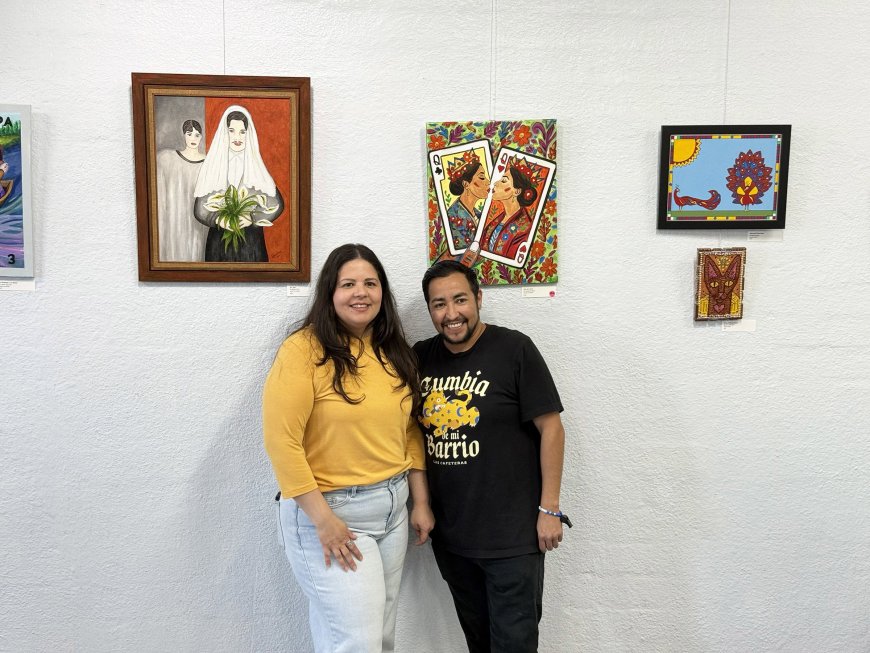
Queer couple Mel Dominguez and Melissa Brown-Dominguez operate the delightful Galeria Mitotera, an art gallery and gift shop in South Tucson, about two miles south of downtown. While both are originally from L.A., Melissa came to Tucson in the summers as a child to visit family, and later in life, they decided the pace and the vibe in Arizona was better for them.

“When we came here in 2007, there were a lot of galleries, especially downtown, but they catered to all of the established artists in town, or all of the student artists that were on track for their BFAs and MFAs. The non-academic and self-taught artists didn’t have a way to get into the gallery spaces — especially artists of color and queer artists,” said Melissa.
She explained that they started volunteering a lot in the gallery scene and made many friends. But Mel was being rejected from shows because his art was too “folky.” And they met other artists who didn’t fit in either. Eventually, they had the idea of creating a space that could welcome everyone. And today, that’s Galeria Mitotera.
“We host all of the different artists here in our neighborhood,” Mel added. “They’re Indigenous artists, they’re Mexican artists, we have a Greek artist. We have so many artists in here that we support, and it feels really good because people come in and they go shopping, or they go eating around the neighborhood, or they stop for a drink at St. Charles Tavern for a break — but then they come in here to buy gifts.”
Just north of Galeria Mitotera is a more traditional, yet still fascinating space, the Tucson Museum of Art. The museum, now more than 50 years old in its current building, is housed on a historic block near downtown and encompasses La Casa Cordova. This historic home was saved from demolition when some of the city’s oldest neighborhoods were destroyed in the name of urban renewal. An ongoing presentation, “Tucson’s Changing Landscape,” gives an unvarnished view of those troubling government decisions and is currently on view in La Casa Cordova.
Other current exhibitions include Human Condition: Modern and Contemporary Latin American Art; Jessica Gonzales: Mask of Many Stories; and The West Multiplied: Continuums of Culture, Community, and Material. The museum is well worth a few hours’ visit, and has a nice collection of Asian, contemporary, Indigenous, and Latin American art, as well as a fair amount of art focused on the American West.
Keep up your artistic visit with a stop at The Tucson Gallery, a not-for-profit endeavor started by local real estate agents, several of whom are part of the LGBTQ community, including owner Tony Ray Baker. Baker said they started with seven artists and now represent more than 40.
The gallery is also the starting point for the fun Tucson Trolley Tours, many of which focus on the community’s amazing variety of murals. On our day at the Gallery, we met several of the local artists, including Queer artist Victor Navarro.
Born in Guadalajara, Mexico, Navarro came to the U.S. when he was 8 and started doing art in middle school. He studied fine arts at the University of Arizona, and in 2009 started a group called the International Art Exchange.

“This is a group of artists that we put together from all over the world. We send out invites to showcase art in different countries and galleries that we connect with,” he said. “It’s an opportunity for artists to have a grander vision of the world, to meet people even if you don’t speak the same language. Art does not require to be communicated through language. It’s more of a heart connection.”
Fantastic food
In creative cities, visitors often find artistically prepared food, and Tucson is no exception. You can start basic and try the locally famous Sonoran hot dog — think of a hot dog that’s dressed up like a taco — but there’s plenty for more elevated palates, too.
At Tito & Pep, in the midtown area, mesquite-fired food is the focus, with so much of the desert’s flavors coming out in the dishes, from the grilled octopus starter with salsa macha to the salmon entrée, where the lime and jalapeno give it just the right kick. Don’t pass up the excellent (and highly amusing) cocktail menu here, either. I loved The Floor is Guava, with its smoky mezcal balanced with guava, pineapple, and triple sec. As a side note, some visitors are surprised by the amount of fresh seafood found here; while you’re in the middle of the Sonoran Desert, the northern tip of the Sea of Cortez is much closer than many people realize, less than 150 miles as the crow flies.
Other favorite meals here include Cup Café, at the fascinatingly historic Hotel Congress for insanely good breakfast burritos and its wonderful Golden Milk Latte (with an Espresso shot!); Reilly Craft Pizza & Drink for excellent salads, pastas, and pizza; and Café a La C’art at the Tucson Museum of Art, a popular spot for lunch and brunch … save room for the wide variety of delectable desserts.
There’s so much more to Tucson, too, including a wide variety of mid-century modern architecture that I’m excited to delve into more. But that will have to wait until my next visit, one I’m excited to plan.
Join the GayCities newsletter for weekly updates on the best LGBTQ+ destinations and events—nearby and around the world.