
LGBTQ Groups Warn ‘PROTECT Kids Act’ Could Force Schools to Out Students
LGBTQ Groups Warn ‘PROTECT Kids Act’ Could Force Schools to Out Students
 Mark
Mark
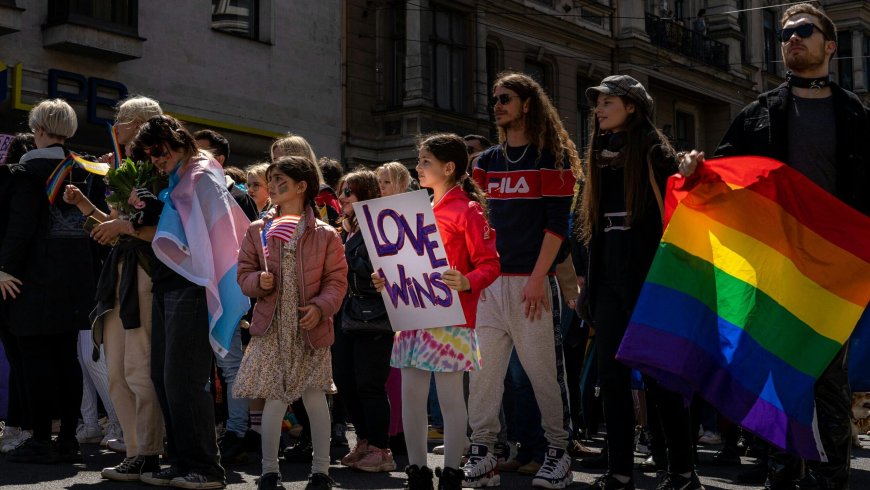
A new federal proposal is drawing sharp criticism from LGBTQ advocacy groups, who say it could reshape how schools support transgender and nonbinary students across the country.
The bill, H.R. 2616, formally titled the Parental Rights Over the Education and Care of Their Kids Act, or the “PROTECT Kids Act,” would require public elementary and middle schools receiving federal funding to obtain parental consent before recognizing a student’s gender identity in official settings. That includes updating pronouns, names, or access to facilities like bathrooms and locker rooms. Glisten Urges Congress to Reject the Bill
In a statement released April 29, Glisten CEO Melanie Willingham-Jaggers warned the measure could put students at risk.
“This bill would pose a great risk to student safety and undermine safe learning environments. This legislation is yet another example of federal overreach at the expense of our nation’s students,” they said.
They continued:
“This act does nothing to actually protect a child’s freedoms, but instead, drastically limits the freedoms that young people need to learn, explore, and grow as humans. This act will stomp out students’ ability to live authentically, creating an environment where students who are different are vilified and unwelcome. Our education system is meant to create a world where youth can flourish as themselves and where safety is paramount.”
Willingham-Jaggers also highlighted concerns about forcing educators into difficult positions.
“Many students find their safe space at school amongst supporting adults and peers. Educators shouldn’t be forced to ‘out’ their students, especially if a child’s home situation compromises their safety.” What the Bill Would Do
Introduced by Tim Walberg and backed by several Republican lawmakers, the legislation ties compliance to federal education funding under the Elementary and Secondary Education Act of 1965.
If passed, schools would be required to secure parental approval before making any changes related to a student’s gender identity. The language extends beyond paperwork, covering access to sex-segregated spaces.
A companion effort, H.R. 2617, sometimes referred to as the “Say No to Indoctrination Act,” would further restrict how schools discuss gender identity. It proposes limiting the use of federal funds for what it defines as “gender ideology,” echoing language from recent federal policy directives. A Broader Political Shift
The proposal arrives as Republican lawmakers continue to expand efforts around education policy. Measures at the state level have already limited classroom discussions on sexual orientation and gender identity, with critics often referring to them as “Don’t Say Gay” or “Don’t Say Trans” laws.
Advocates argue the federal bill reflects a wider strategy to bring those policies to a national stage.
According to tracking by the American Civil Liberties Union, hundreds of bills have been introduced in recent years that affect LGBTQ students and educators. Concerns About Student Safety
Civil rights groups say the requirement for parental consent could have unintended consequences, especially for students in unsupportive households.
They warn that forcing schools to disclose a student’s gender identity could expose young people to rejection or harm at home. Supporters of LGBTQ youth say school environments often serve as a critical support system when other spaces are not affirming.
Human Rights Campaign Vice President of Government Affairs David Stacy criticized the legislation in strong terms.
“Trans kids are not a political agenda, they are students who deserve safety and affirmation at school like anyone else,” Stacy said. “Despite the many pressing issues facing our nation, House Republicans continue their bizarre obsession with trans people. H.R. 2616 does not protect children. It targets them. This bill is cruel, and we’re prepared to fight it.” What Comes Next
The bill was discussed in a recent House Rules Committee hearing and could move forward for a broader vote. A similar version is also being considered in the Senate.
For now, advocacy organizations are mobilizing, urging lawmakers to reject the measure and maintain protections they say are essential for student well-being.
As the debate unfolds, one question remains at the center: what does it mean to create a safe school environment, and who gets to define it?