Kylie Minogue Gets Raw About Fame, Heartbreak, and Refusing To Be Put in a Box in Netflix’s ‘KYLIE’
Netflix’s ‘KYLIE’ reveals the icon behind the glitter, grit, heartbreak, and queer joy.
 Mark
Mark
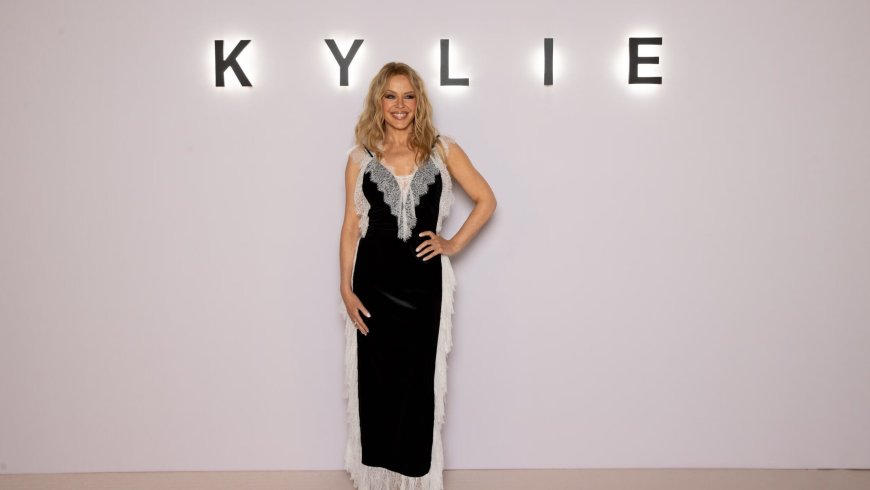
There’s a moment in Netflix’s documentary series KYLIE where Kylie Minogue reflects on the pressure she faced early in her career to pick a lane. Was she an actress? A pop star? Could she realistically be both?
Watching the series unfold, it becomes clear that Kylie never had any interest in shrinking herself to fit someone else’s expectations.
That refusal to be boxed in sits at the center of Netflix’s KYLIE, the newly released three-part documentary exploring the life and evolution of one of pop culture’s most enduring figures. Released May 20, the series digs through decades of archive footage, personal photographs, career highs, public criticism, grief, illness, reinvention, and the euphoric relationship between Kylie and her audience.
Directed by Emmy and BAFTA winner Michael Harte and produced by John Battsek, the series also features appearances from Dannii Minogue, Jason Donovan, Nick Cave and longtime collaborators who help piece together the story behind the icon.
The result is not a glossy victory lap. It’s surprisingly vulnerable. A Pop Star Learning in Public
Kylie has spent decades being perceived as polished. KYLIE peels back that image and shows someone figuring things out in real time.
“I was successful before I knew what I was doing so I basically learnt everything on the job, in full view of the public,” Kylie says in the documentary Q&A.
That tension becomes one of the strongest themes in the series. Long before social media made every celebrity mistake instantly viral, Kylie was navigating relentless tabloid culture while trying to evolve creatively. The documentary revisits how dismissive parts of the press were toward her transition from soap star to serious musician, especially after leaving Neighbours.
Director Michael Harte said that period fascinated him because Kylie kept hearing variations of the same message: stay where people are comfortable with you.
“One of the main themes of the film is that throughout her career, people have tried to put labels on Kylie,” Harte explained. “‘You can’t wear those clothes’. ‘You can’t sing like that’.”
Yet watching the series now, what stands out isn’t bitterness. It’s her determination to keep evolving anyway.
That spirit gives the documentary its pulse. Kylie doesn’t present herself as fearless. She presents herself as someone who kept showing up.
“Everyone here is waiting for me to fail,” she recalls thinking during certain moments early in her career. “I still don’t really know how I did it.” The Woman Behind the Icon
Some of the documentary’s most moving scenes come from deeply personal archive footage.
There are home videos filmed by Kylie’s brother, family moments around a fireplace in Melbourne, backstage clips from tour rehearsals, and intimate glimpses of her relationship with sister Dannii. Rather than feeling staged, the footage makes Kylie feel unexpectedly approachable.
It’s impossible not to become enamored with the warmth around her family dynamic. There’s an ease to Kylie that explains why audiences have remained attached to her for generations.
The documentary also revisits her relationship with late Michael Hutchence with striking tenderness. Kylie speaks openly about how transformative that chapter of her life was, describing him as someone who expanded her understanding of artistry, expression, and adulthood.
“He made me feel like I could be enough,” she says.
The series doesn’t sensationalize those moments. Instead, it frames them as pieces of the woman audiences thought they already knew. Why Queer Audiences Have Always Seen The Magic
For LGBTQ+ audiences, Kylie’s story carries extra emotional weight.
Long before “Padam Padam” became a queer club anthem, Kylie’s music was already soundtracking drag bars, Pride parties, dance floors, breakups, and late-night emotional spirals under disco lights. Even during periods where mainstream media seemed eager to dismiss her, queer audiences never stopped celebrating her.
That connection quietly hangs over the documentary.
Producer John Battsek said one of the biggest revelations while making the series was understanding just how reciprocal Kylie’s relationship with fans truly is.
“There’s an authentic connection between her and her fans and without them, she wouldn’t have got through a lot of the things that she needed to get through,” Battsek said.
That mutual loyalty feels especially powerful in retrospect. Kylie’s music has always offered escapism, but the documentary reminds viewers that her artistry was also rooted in survival and reinvention.
Nick Cave’s appearance in the series captures that perfectly. The legendary musician speaks about Kylie not with irony, but reverence.
“Kylie is a force who’s there to affect thousands and thousands and thousands of people,” Cave says in the documentary.
For queer audiences especially, that joy matters. Kylie’s career has never just been about hits. It’s about freedom, transformation, camp, heartbreak, glamour, resilience, and emotional release all existing at once. A Documentary Built on Trust
One reason KYLIE works so well is because it never feels overproduced.
Harte said he intentionally stripped away formal interview setups to create more natural conversations with Kylie, often speaking with her casually in kitchens or surrounded by personal archives rather than under harsh production lighting.
That approach pays off.
Instead of delivering perfectly polished soundbites, Kylie comes across reflective, funny, emotional, and at times surprisingly candid. You can see her rediscovering pieces of herself while moving through old photographs and footage.
The documentary also benefits from its structure as a three-part series rather than a compressed feature film. It allows room for contradictions. Kylie can be glamorous and insecure, ambitious and uncertain, guarded and deeply affectionate all within the same episode.
Most importantly, KYLIE captures what has made her endure for nearly four decades: curiosity.
Whether she was pivoting from acting into music, experimenting with genre shifts, surviving public scrutiny, or adapting to an industry transformed by social media and streaming culture, Kylie never stopped moving forward.
“I’ve always been curious of what could happen,” she says.
That openness is what makes KYLIE feel less like a retrospective and more like an ongoing story.
And by the end of the series, one thing becomes obvious: Kylie Minogue didn’t become an icon because she fit neatly into one category. She became one because she refused to.