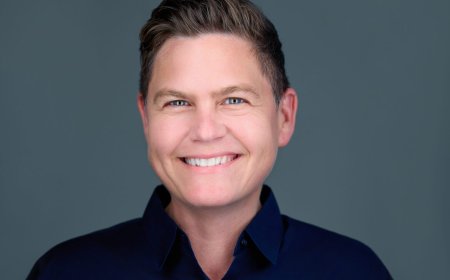
May LGBTQ music: Isaiah Rashad’s ‘It’s Been Awful’ and MUNA’s ‘Dancing On the Wall’
This month, Gay City News reviews new albums by sexually fluid rapper Isaiah Rashad and queer pop group MUNA. Isaiah Rashad | “It’s Been Awful” | TDE/Warner Presented as a radio program, “It’s Been Awful” bears an uncomfortable voyeurism, akin to eavesdropping on a therapy session or 12-step group meeting. Isaiah Rashad’s music has always … Read More
 Mark
Mark
0
53
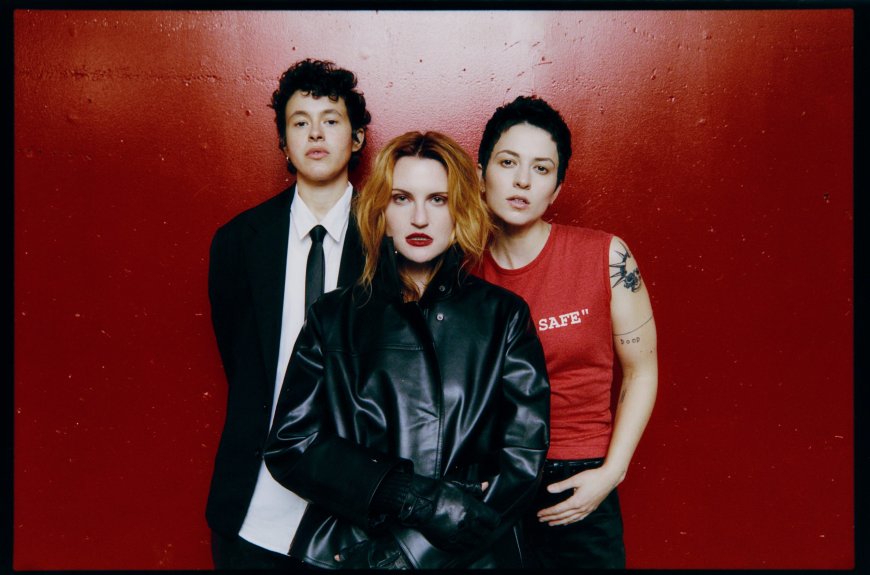
This month, Gay City News reviews new albums by sexually fluid rapper Isaiah Rashad and queer pop group MUNA.
Isaiah Rashad | “It’s Been Awful” | TDE/Warner
Presented as a radio program, “It’s Been Awful” bears an uncomfortable voyeurism, akin to eavesdropping on a therapy session or 12-step group meeting. Isaiah Rashad’s music has always been introspective, a memoir written in five-year installments. He’s chronicled his problems with depression and substance misuse. As personal as it sounded, he was keeping one aspect of his life back. In 2022, he was outed via a sex tape that showed him sleeping with other men. At the time, Rashad said he was still figuring out his sexuality. During “Scared 2 Look Down,” he says “I’ve been fucking her and her and him and him.” Indirectly, the video for “Same Sh!t,” the first single from “It’s Been Awful,” refers to this incident’s destruction of his privacy: Rashad races away from a mysterious entity surveilling and threatening him. As a short film, it’s a powerful bit of psychological horror.
Peering through his memories, Rashad starts off “It’s Been Awful” by addressing his sister’s imprisonment. “If I romanticize them Percocets, I might relapse again,” he says, remembering getting high with her. His soft, slightly raspy voice sounds haunted, as the production allows it to blend into the music. The chorus of “Same Sh!t” finds him reciting one-syllable words in a monotone flow that emphasizes each equally: “the pills, the blow, the ‘yac, the top/the drop, then swerve, then pass the props.”
He writes about drugs without ever making them sound pleasurable. “Methamphetamines was fucking with my mind,” he admits on “Do I Look High?” He asks “how’d I get sober, clean, fucked up, then clean again?” “Act Normal” testifies to a pattern of inherited addiction and self-destructive sexual behavior: “I don’t trust a boy or a girl to act normal.” Rashad doesn’t sound relieved to be able to talk openly about being attracted to men and women. “Act Normal” is still sunk in gloom and shame.
The production of “It’s Been Awful” avoids getting stuck in a rut, despite the album’s downbeat tone. “Ain’t Givin’ Up” sports jazzy trumpet and rimshots. SZA lights up “Boy In Red” with a bright verse, contributing to the song’s cheerleader chants. The barroom piano and chant-along chorus of “Happy Hour (Homies Begged)” back a tale of a three-day meth binge.
This is only Rashad’s third studio album in a decade. The wait has been frustrating, but it also means that his music exists outside of trends. (He calls the album’s station “Worldwide Underground Radio,” but underground rap now means a more aggressive electronic style.) He comes from Chattaanooga, Tennessee, which has never been a hip-hop hotspot. A legacy of bluesy Southern rap, heard in songs like UGK’s “One Day,” Goodie Mob’s “Dirty South” or Scarface’s “Hand of the Dead Body,” comes out in his voice and mood.
“It’s Been Awful” is quiet, but too intense to ever fade away as mere background music. Although the uncharacteristically boastful “719 Freestyle” ends it on a light note, he writes as though he’s still processing some of his life’s worst experiences. We’re unlikely to hear a more heartfelt grappling with the pain of addiction, combined with the stress of life in the closet.
MUNA | “Dancing On the Wall” | Saddest Factory | May 8
When we last heard from MUNA, with their self-titled 2022 album, they had entered the second phase of their career. After RCA gave up on the group, they signed to Phoebe Bridgers’ imprint and grew more popular than ever. That was four years ago. “So What” acknowledges their current degree of fame with an ironic wink: “if you don’t love me, so what.” As a whole, their fourth album, “Dancing On the Wall,” is full of bright, spiky synthesizers and rubbery basslines. They’d be perfect collaborators for Carly Rae Jepsen.
Musically, the title track is an exuberant dance-pop track, glowing with endorphins and ‘80s nostalgia. Its words tell a different story, laying out the pain of unrequited desire. “I’m dancing on the wall when I’m with you” is the hook, but the remainder of the song is about unhappiness and frustration. The boasting of “So What” feels rather hollow by its end. “Wannabeher” admiringly gazes at a woman who’s a “getting psyched bitch/start a fight bitch/stay the night bitch.” Her infatuation becomes indistinguishable from identification. Singer Katie Gavin’s verses tear into a half-rapped flow on several songs.
“Dancing On the Wall” turns much more serious with “Big Stick,” an exceedingly blunt protest song, attacking sexist beauty standards, the media’s control, and American foreign policy. Singing “we give kids in Palestine PTSD/but we’ll never fucking ever give them something to eat,” Gavin adopts the voice of empire. Less topically but no more happily, “Mary Jane” details a failing relationship with a woman who’s addicted to cannabis. Despite this, even when MUNA turn angry or frustrated, their sound feels basically optimistic. They set even their most troubled sentiments to buoyant music. Meanwhile, their most cheerful songs retain an edge.
If the album has a major weakness, it’s a reliance on similar synthesizer and drum sounds on song after song, but Gavin’s perspective is singular. MUNA’s dedication to ‘80s pop comes with a small dose of irony. At the very end, “Buzzkiller” switches things up, omitting percussion and repeating a droning chord. As Gavin sings about futility, it dissolves into glitches rather than resolving.