Queer Ascent shows LGBTQ+ pride is worth the climb & the view is great
Pride rocks, literally, thanks to Arc'teryx's Queer Ascent this June.
 Mark
Mark
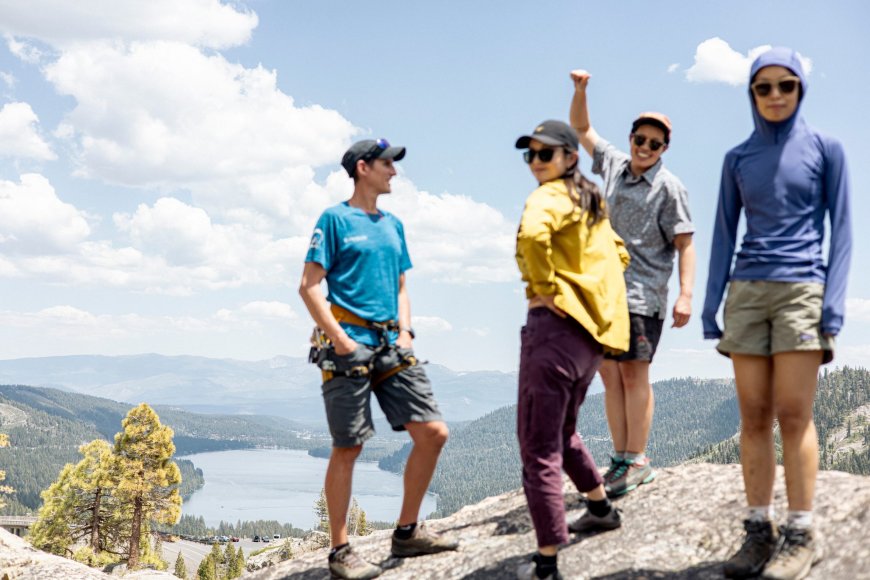

Pride rocks — literally — in the stunning and scenic Sierra Nevada mountains this year, thanks to Arc’teryx Queer Ascent.
The weekend-long climbing event, which is in its third year, runs from June 4 to 7, and brings LGBTQ+ newbies, rookies, seasoned pros, and world-class athletes together to tackle the great outdoors just 35 miles east of Reno in Truckee, California.
Think your typical Pride Month fare: Gays in harnesses and all their “gear,” smiling as the golden hour sun hits them just right… but they’re scaling the most gorgeous rock formations you’ve ever seen.
In addition to daytime climbing clinics led by athletes and trained guides, the weekend offers mixers, screenings, special guests, and a Saturday night Queer Prom that is not to be missed. More on that later.
Pack your bags, we’re going on an adventure
Subscribe to our weekly newsletter for the best LGBTQ+ travel guides, stories, and more.
Subscribe to our Newsletter today
Most importantly, it provides the queer community to take on (and take back) time with nature and a sport that’s theirs, as much as it is anyone else’s.
“Queer Ascent is about creating space for people to try something new, build skills, and feel like they belong outside,” co-creator, climber, and Arc’teryx athlete Jordan Cannon said. “People show up not knowing anyone and leave with a whole crew, and that kind of connection is rare.”
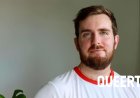
Ahead of this year’s event, GayCities chatted with Patrick Dunn, owner of Out in the Wild and one of Queer Ascent’s guides, about what to expect — and why no potential climber should count themself out.
How did you get involved with Queer Ascent?
“The TLDR is basically Jordan Cannon was my mentor in an athlete mentorship program back in 2020, and we became friends. I kind of helped him in some ways around his coming out process, because it was like right when he was coming out publicly as a professional athlete. He helped me a lot in my climbing and connected me with Arc’teryx. When he came up with this idea for Queer Ascent, he reached out to me and I was like, ‘Yeah, we’d love to be involved.’
At Out in the Wild, we’re basically a non-profit guide company where we take queer folks out and teach them technical climbing skills. We’re very specifically focused on teaching technical skills because we feel like there’s a ton of meetup groups out there, but [really wanted to] help our community feel more comfortable and confident in the outdoors. One of the barriers is just having the skills to go do the things that people want to do, and so that’s the our main focus.
So with Queer Ascent, us teaching some of the clinics just really fits well.”
Would you recommend this experience for all skill levels of climbers?

“Yes! We have a huge range this year. We really wanted to create a space for folks who hadn’t climbed at all to be able to come out, climb, and have fun, but then also have the opportunity to learn some new skills as well.
It starts with beginner level courses. This year in particular, we’re doing something new where I’m actually running two guided climbing days. We’re just going to put up top ropes and have a space for folks to come out and climb and learn. I create a space for them to learn anything that they want, rather than choosing a specific skill, so that day is very specifically for all levels, and more geared towards beginners than like advanced folks.
Then, you know, [one of our other guides] Sof Petros is teaching a natural anchors course, which is much more advanced skill, but also accessible to beginners. Or if you’ve already learned all the other things, sometimes folks don’t know about natural protection. That’s another great one. But then, Carlin Reynolds is teaching a self rescue course, which is very advanced.”
What are the benefits of having a queer guide as opposed to climbing with anyone else?

“Generally, the guiding community has historically been a lot of cis and heterosexual white men who don’t necessarily understand the experience of a lot of queer people. And if I was being completely honest, I would use harsher terms, but I’ll be a little bit nicer and say that guides have historically not been exactly the kindest or most open-minded individuals.
So, you know, we’re able to be in a space where there’s queer guides who understand pronouns and appropriate/inappropriate jokes, and is emotionally and mentally able to relate to people’s experiences. Instead of pushing people in a way that is super machismo or with lots of hubris, understanding that what we’re doing is a scary thing, this is new. A lot of queer folks might not feel comfortable in specific scenarios, and being able to create a space that feels safe and welcoming is just really important, I think.”
What inspired you to get into climbing?

“I started climbing when I was a teenager. My brother took me to a climbing gym and there was just something about the movement that really stuck with me and was really inspiring. But I only did it here or there. Then, in my late twenties, I was living in the Bay Area and went climbing outside, and it was the first time that I had gone on a climbing trip intentionally. I actually went to Donner Summit, which is where [Queer Ascent] is happening, way back in like, 2012. I just had the most magical, fun weekend with a couple of friends.
I was addicted after that — the movement and the meditation of rock climbing, linked with how it allows you to kind of confront your fears and yourself in a lot of ways. It’s a lot of dealing with failure, learning how to celebrate success and, and how those two things can happen simultaneously. I think that it’s just a really cool way to explore personal growth, but then also hang out with your friends and be in beautiful places.”
What does it feel like to be on these trips with LGBTQ+ people and allies?

“It kind of feels like being home.
A lot past of my climbing trips early on were with my straight male friends. And there was always just a little bit of discomfort that I had. I could ‘hang,’ but I felt like I couldn’t really be myself in a lot of ways.
And I remember one of the first events I ever ran for Out in the Wild was a climbing meetup at the climbing gym in Bend, Oregon, where I lived at the time. I made posters, I marketed the event, but I had no idea who was going to come because I didn’t know any other queer climbers. And then all these people came and I was like, ‘Wait, you all exist?!’
It’s just so sweet to watch other people connect and how sweet and giddy people get around connecting with each other in this new space, you know? I think the outdoors hasn’t inherently felt like a safe place for a lot of queer folks. So, ultimately it just kind of is, like, ‘Oh, I can let go and just be fully myself.’ Suddenly, you’re not thinking about your next move and whether or not someone’s going to judge you for it, you know?”
Do you think the climbing space has gotten more inclusive over the years?

“Yes, 100%. I do think that the climbing community has changed dramatically. I was living in Bend when I started Out in the Wild and now I live in Seattle. The amount of queer people that climb in the climbing gym that I go to, still blows my mind. I’m like, ‘Either the climbing world has become more queer, or I lived in Bend for too long.’
I think that some gyms did a really amazing job in trying to be more inclusive. I went to a climbing gym in Des Moines, Iowa, and there was a Pride flag hanging in their window. And I was like, ‘Wait, what? All right!’ So I think that between climbing gyms and brands trying really hard to bring more inclusivity into their programming and putting effort into bringing visibility to the industry has been pretty huge. Arc’teryx has been amazing at it.”
Do you have any advice for any potential LGBTQ+ climbers unsure about attending a trip like this?

if you like the mountains, hanging out with queer people, dancing, and trying hard a little bit, but then also hanging out on the lake with a bunch of queer people, then you should come.
You could come and climb one route and still have a blast. You don’t have to be a hardcore rock climber. You could come to the guided climbing day and then dance all night at the party on Saturday night, which is always insane. Arc’teryx throws the best parties.
One of the things I always look forward to is the Sunday lake hang on the dock at Donner Lake in the sun. Just being lizards together is the best after a few days of rock climbing, it’s pretty great.”
Related
Grindr reveals its top destinations for gay travelers – and the best cities for “right now” action
Paris, Berlin and Rio de Janeiro are among the most popular destinations for queer fun seekers.
Join the GayCities newsletter for weekly updates on the best LGBTQ+ destinations and events—nearby and around the world.