
As Pride Month Continues, LGBTQ+ Advocates Push Back Against Threats to HIV Care
As Pride celebrations continue, advocates warn cuts to HIV care could reshape public health.
 Mark
Mark
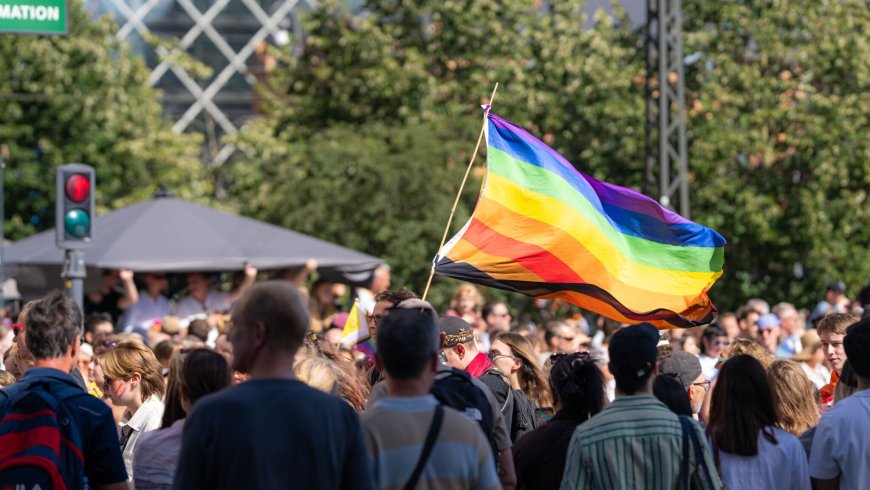
Pride Month is often framed through celebration: parades, performances, chosen family and moments of joy. But for many LGBTQ+ advocates, Pride has always carried another purpose, organizing in public.
This year, one national coalition is asking communities to remember that history.
As June unfolds, Save HIV Funding (SHF) is using Pride Month to spotlight what organizers describe as growing threats to HIV prevention, treatment, research and broader public health infrastructure. While several of the campaign’s events took place during the first week of June, organizers say the larger goal extends well beyond a single week of programming: keep pressure on lawmakers as Congress debates federal spending priorities for Fiscal Year 2027.
At the center of the effort is a national action alert urging people to contact members of Congress and advocate for increased investment in domestic and global HIV programs while opposing proposed reductions to prevention systems and related healthcare services.
For advocates, the stakes are bigger than one budget cycle. Pride’s Activist Roots Are Front And Center
“Pride has never simply been a celebration. Pride has always been about survival, collective action, healthcare justice, and protecting one another, especially in moments of political hostility and fear,” said Jeremiah Johnson, Save HIV Funding campaign co-founder and Executive Director of PrEP4All.
“As LGBTQ communities, transgender people, healthcare workers, and people living with HIV face mounting attacks, we are calling on communities across the country to organize, mobilize, and fight for the systems that keep people alive.”
The campaign arrives amid ongoing national debate around healthcare access, HIV prevention systems, scientific research funding and public health infrastructure.
Advocates involved in the coalition argue that changes to healthcare programs could disproportionately affect communities already facing barriers to care, including LGBTQ+ people, transgender communities, Black and Latine communities, immigrants, low-income Americans and people living with HIV.
Rather than positioning Pride as an escape from those conversations, organizers are framing public action as part of the celebration itself. From Celebration To Mobilization
A major part of the initiative came through Save HIV Funding’s collaboration with Seven Days in June, a national campaign centered on remembrance, storytelling, healthcare advocacy and community action.
Across the first week of June, local and virtual events brought together healthcare workers, long-term survivors, advocates and community members for town halls, vigils, rallies, screenings and discussions.
Programming included community forums in cities including St. Louis, Austin, Chicago and Washington, D.C., alongside virtual education events and HIV awareness actions.
One of the most visible moments was a June 5 vigil and public demonstration in New York City tied to HIV Long-Term Survivors Awareness Day, honoring people lost to HIV/AIDS while drawing attention to ongoing concerns around access to prevention, care and treatment.
“Collective action is how we survive these moments and build power toward a better future,” said Maxx Boykin, Manager of the Save HIV Funding Campaign.
“This week of action gives us space to organize, remember, support healthcare workers, uplift transgender communities, honor long-term survivors, and fight for the future of HIV care.” Why Advocates Say Funding Matters
Save HIV Funding is also emphasizing that HIV programs extend beyond disease-specific care.
According to campaign materials, federal HIV investments support medication access, preventive care, mental health services and broader healthcare infrastructure that millions rely on.
Advocates point to several concerns they say deserve attention as budget conversations continue:
- More than 1.2 million Americans are living with HIV.
- More than 500,000 people rely on federal programs including the Ryan White HIV/AIDS Program for treatment access.
- Medicaid remains a major source of healthcare coverage for people living with HIV in the United States.
- HIV prevention investments, including access to PrEP, are tied to lower long-term healthcare costs and reduced transmission rates.
Campaign leaders also note that federal HIV initiatives have historically received bipartisan support.
Programs including PEPFAR, launched under President George W. Bush in 2003, and expansions of the Ryan White CARE Act are often cited by advocates as examples of sustained investment in public health infrastructure across administrations. A Global Fight With Local Consequences
Save HIV Funding is also connecting domestic policy conversations to global HIV advocacy.
Campaign partners raised concerns about recent shifts affecting international HIV infrastructure and warned that reduced support for prevention and treatment efforts abroad could have ripple effects across healthcare systems worldwide.
“The fight for HIV funding does not stop at borders,” said Suraj Madoori, Director of Policy at AVAC.
“The same political forces attacking transgender communities, scientific expertise, healthcare access, and public health systems here in the United States are threatening HIV progress globally. Pride must remind us that healthcare justice is collective.”
For organizers, that message captures the larger point of the campaign.
Pride can still be joyful. But for many people working in HIV advocacy, joy and action have never existed separately.
Communities gathered, marched and held vigils in early June. The campaign’s organizers hope the conversations continue long after the last Pride event wraps.