Why LGBTQ+ Readers Keep Turning To Wattpad Instead Of Traditional Publishing (Exclusive)
Wattpad’s Alessandra Ferreri shares why queer storytelling keeps thriving online.
 Mark
Mark
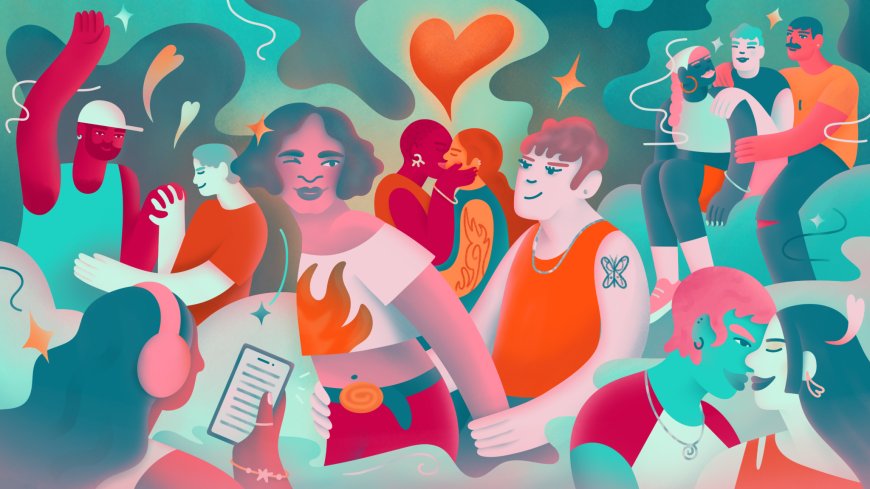
For years, LGBTQ+ audiences have turned to the internet long before traditional entertainment caught up. Entire fandoms were built in forums, fan fiction archives and creator-led spaces where queer people could imagine different endings, center overlooked identities and tell stories that didn’t need executive approval to exist.
That’s part of what has made platforms like Wattpad endure.
Ahead of Pride Month, I spoke with Wattpad Head of Content Alessandra Ferreri about how the platform has become a home for queer writers and readers, why creator-driven storytelling continues to resonate and what trends she’s seeing emerge across LGBTQ+ fiction.
Her biggest takeaway? Queer storytelling isn’t going anywhere. Why Readers Still Crave Creator-Driven Queer Stories
As LGBTQ+ representation has expanded across film, television and publishing, audiences have also become more discerning. Visibility alone isn’t always enough. Readers increasingly want stories that feel personal rather than market-tested.
Ferreri believes that’s where creator-first platforms continue to stand apart.
“Creator-driven spaces like Wattpad thrive because they remove a lot of the traditional guardrails that can sometimes be limiting for creativity or self-expression,” she told me.
Even with more queer stories reaching mainstream audiences, she says many still arrive shaped around broader commercial expectations.
“On Wattpad, writers have the freedom to tell stories that feel deeply personal, niche, specific or emotionally authentic without feeling like they need to fit a specific commercial mold.”
That freedom, she says, is exactly what readers respond to.
“They’re looking for stories that feel real to them and reflective of experiences they may not see elsewhere.” The Queer Genres Dominating Wattpad Right Now
Romance continues to lead LGBTQ+ engagement on the platform, but Ferreri shared that there are clear patterns emerging within that category.
According to Wattpad data, BxB (boy x boy) stories remain the dominant format, with roughly six times more BxB stories published than WLW content, which currently sits as the second-largest category.
That demand shows up in reading behavior too.
Tags including “gay,” “lgbt,” “bl,” “boyxboy,” “bxb,” and “boyslove” consistently rank among the most engaged LGBTQ+ categories by time spent reading.
At the same time, Ferreri says readers continue exploring across the broader queer ecosystem.
One genre seeing increased attention? Sports romance.
This year’s Watty Awards Grand Prize winner, Behind the Camera, centered a sapphic sports romance, a win Ferreri sees as reflective of wider audience interest.
“Queer sports romance is definitely having a moment right now,” she said.
She also pointed to previous Watty-winning titles and growing visibility across pop culture as helping fuel interest.
But she pushed back on the idea that queer fiction itself operates like a trend cycle.
“Queer stories on Wattpad aren’t trendy, they’re evergreen.” Why Online Spaces Continue To Matter
Queer storytelling communities online didn’t emerge by accident.
For many readers, digital platforms became the first place they could find characters and relationships that reflected their own experiences.
Ferreri believes that history still matters.
“Historically, readers and viewers haven’t always had the opportunity to see themselves, their identities or their experiences reflected authentically in traditional entertainment and publishing spaces.”
That absence helped communities create their own ecosystems.
She points to fanfiction culture, alternate universes and character reinterpretations as examples of audiences reclaiming stories and reshaping them to feel more representative.
“These spaces have helped storytelling become more personal, more authentic and ultimately more representative of the world readers actually live in.” What Authentic Representation Looks Like Now
As younger audiences become more media-literate, conversations around representation have shifted.
Viewers and readers increasingly notice when inclusion feels surface-level rather than intentional.
Ferreri says authenticity starts with giving creators room to tell stories on their own terms.
“For readers, especially within the LGBTQ+ community, seeing their thoughts, feelings, relationships or experiences reflected honestly in storytelling can offer a sense of kinship and visibility.”
She added that stories grounded in emotional honesty continue to connect most strongly.
That same philosophy extends to Pride Month conversations around performative support.
For Ferreri, meaningful inclusion means more than seasonal campaigns or symbolic gestures.
“Genuine support starts with offering a safe and inclusive space for LGBTQ+ creators to tell a wide range of stories.”
She emphasized that queer characters shouldn’t have to justify their existence in every narrative.
“Some of the most meaningful representation comes from characters who simply exist authentically within a story world.” Entertainment Is Catching Up, Slowly
Wattpad has helped launch stories into publishing, television and film, but Ferreri says there’s still work ahead when it comes to queer representation across entertainment.
“The appetite has been shifting, but it’s still slow, so digital storytelling spaces like Wattpad are here to fill the gap as the industries catch up.”
She hopes platforms and studios pay attention to the demand already visible in creator communities.
“Adapting queer stories isn’t about chasing a hot trend like we might with romantasy or vampires,” she said. “It’s understanding that representation across all mediums matters regardless of its outright commercial appeal.”
Looking ahead, Ferreri sees continued growth across formats but says the most important thing is protecting the spaces where those stories begin.
“We can’t be predictors of the future without listening to what our users want and giving them the chance to explore it for themselves.”
If Wattpad’s readers are any indication, queer audiences already know exactly what stories they want next.