Five fun facts about Cabo Verde
Cabo Verde has shot to international fame after an inspiring performance at the World Cup in 2026, and there are many reasons why this island nation is worth a visit
 Mark
Mark
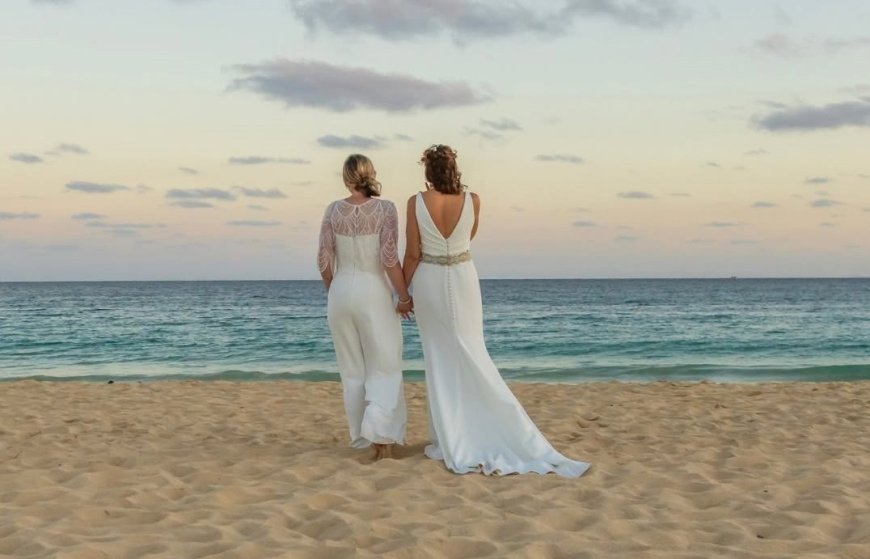

European travelers are already familiar with Cabo Verde, the small island country off of the western coast of Africa, that feature lots of sunshine, beaches, holiday resorts, and laid-back island lifestyle. But after the island nation captured the world’s attention with an inspiring run at the 2026 FIFA World Cup, fighting off their opponents with stunning plays from a team that was millions of football fans (soccer in the U.S.) who had never heard of Cabo Verde suddenly wanted to know more.
Of course there is much more to this small country than their team playing in the World Cup. Cabo Verde includes 10 volcanic islands, and these islands offer everything from dramatic mountain landscapes and world-class beaches, to vibrant music, welcoming communities and some of Africa’s most LGBTQ-friendly tourism.
Here are five fun facts that make Cabo Verde worth adding to your travel list:
1. Every island has its own personality
Pack your bags, we’re going on an adventure
Subscribe to our weekly newsletter for the best LGBTQ+ travel guides, stories, and more.
Subscribe to our Newsletter today
One of the joys of visiting Cabo Verde, formerly known as Cape Verde, is that no two islands feel the same. Island-hopping is easy for travelers who want to explore more than just their resort. Sal is known for its long sandy beaches, luxury resorts and water sports. Boa Vista is home to sweeping dunes and uncrowded stretches of coastline. São Vicente is the country’s cultural capital, where music fills the streets and festivals are a way of life. Santo Antão attracts hikers with its lush mountain valleys, while Fogo is dominated by one of the Atlantic’s most impressive active volcanoes.
2. It’s one of Africa’s most LGBTQ-friendly destinations
Cabo Verde has quietly built a reputation as one of the easiest and most welcoming places for LGBTQ+ travelers to visit in Africa.
Same-sex relationships have been legal since the country gained independence from Portugal in 1975, and LGBTQ visitors generally report feeling comfortable throughout the islands, especially in tourist areas. Cabo Verde was also the second country in Africa to host a Pride festival, in 2013 (South Africa was first in 1990).
These accomplishments are in stark contrast to the rest of Africa, where most countries on the continent still have laws making homosexuality illegal. For example in Senegal, which is Cabo Verde’s closest neighbor, the president signed a new law in 2026 that doubled the maximum prison sentence for “homosexual acts” to 10 years, and prosecutions of citizens and visitors for “unlawful acts” actually do occur in the country.
The islands of Cabo Verde were a Portuguese colony for over 500 years, so the colonial rulers replaced their indigenous religions with Catholicism, and the local population is still very religious. And although Cabo Verde is much more progressive than its African neighbors, the local culture is socially conservative. As in most destinations throughout Africa, public displays of affection are generally kept modest by both same-sex and opposite-sex couples. However, travelers looking for an inclusive atmosphere will find welcoming accommodations, restaurants, and nightlife, particularly on the islands of São Vicente and Sal, where visitors are free to just enjoy the beaches and local culture.
3. The beaches aren’t the only attraction
The unofficial motto of Cabo Verde is “No Stress,” where locals and tourists alike move slowly along the miles of coastline, and the islands’ beaches are easy to fall in love with. Sal and Boa Vista boast miles of soft golden sand and remarkably clear Atlantic water that stays warm for much of the year.
The islands are equally impressive below the surface. Divers and snorkelers explore volcanic reefs, underwater caves, coral gardens and shipwrecks while encountering tropical fish, rays, moray eels and, depending on the season, manta rays and whale sharks.
Every summer, thousands of loggerhead sea turtles return to Cabo Verde’s shores to nest, making the country one of the world’s most important breeding grounds for the species. Guided turtle-watching excursions offer visitors an unforgettable wildlife experience while supporting local conservation programs.
4. Mindelo has an inviting LGBTQ+ social atmosphere
If there’s one place LGBTQ+ travelers should put on their itinerary, it’s the city of Mindelo, on the island of São Vicente.
The city’s creative energy, live music and cafe culture make it one of the country’s most cosmopolitan destinations. At its center is Praça Nova, where locals gather throughout the day to meet friends, sip coffee, enjoy outdoor dining and listen to musicians. The surrounding cafés, bars and restaurants attract a diverse crowd, and the atmosphere is notably welcoming to LGBTQ+ visitors.
Mindelo, and Cabo Verde in general, does not have any dedicated gay bars. But,Mindelo’s easygoing culture means travelers often find themselves mixing naturally with locals in spaces where everyone feels comfortable.
Related
Super queer Providence punches way above its weight
After traveling to Providence, Rhode Island’s lovely capital city, for the third time, I have a hard time understanding why it isn’t more well-known as a queer destination.
5. You can fly there nonstop from the United States
Getting to Cabo Verde is easier than many travelers realize. Since 2024, Cabo Verde Airlines has operated nonstop flights between Providence, Rhode Island, and Praia, the nation’s capital on the island of Santiago.
The route reflects the deep historical ties between New England and Cabo Verde. Southern New England is home to one of the world’s largest Cabo Verdiano communities outside the islands. During the years of Portuguese colonization, generations of Cabo Verdiano families settled in Rhode Island and southeastern Massachusetts after arriving on whaling ships and other maritime routes in the 19th century. (There is also a large Portuguese community in Provincetown for the same reason.)
For travelers on the East Coast, the nonstop service eliminates the need to connect through Europe, and the flight is only around 7 hours, which is similar to flying from the East Coast to any European destination. For travelers not able to leave from Providence, flights across the Atlantic make connections commonly through Lisbon, Portugal, or Casablanca, Morocco.
Join the GayCities newsletter for weekly updates on the best LGBTQ+ destinations and events—nearby and around the world.