Melania Trump’s ‘Both Sides’ LGBTQ+ Message Ignites Political Firestorm
Melania Trump says she supports LGBTQ+ people while backing the Supreme Court's trans sports ruling.
 Mark
Mark
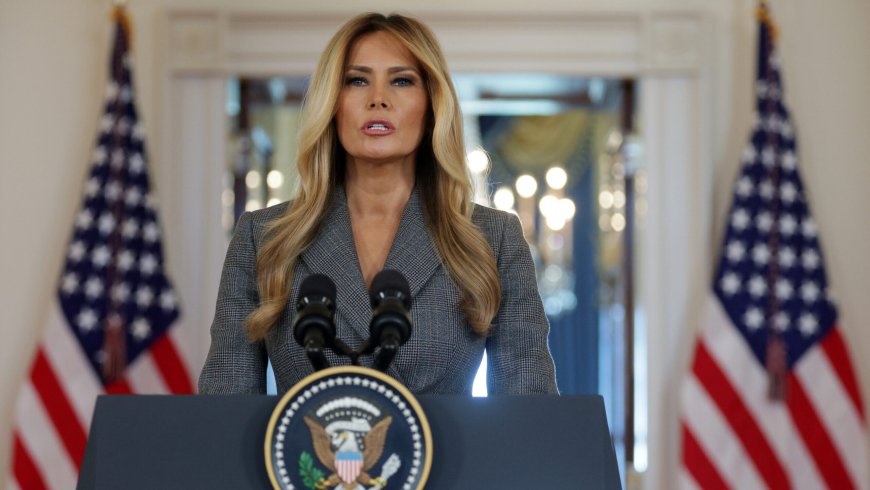
First Lady Melania Trump is drawing criticism from across the political spectrum after reaffirming her support for the LGBTQ+ community while applauding a recent Supreme Court decision allowing states to restrict transgender girls and women from competing on female school sports teams.
Her comments came shortly after the U.S. Supreme Court issued a 6-3 ruling upholding laws in West Virginia and Idaho that bar transgender students from participating in girls’ and women’s sports consistent with their gender identity. While President Donald Trump celebrated the decision as a major victory, Melania Trump attempted to frame the moment as one where support for LGBTQ+ people and protections for women’s athletics can exist side by side.
The post quickly ignited debate online, with critics on both the left and right challenging different parts of her message. A Message That Tried To Bridge Two Positions
In a post shared on X on June 30, Melania Trump quoted a passage from her 2024 memoir, Melania, reiterating a position she has expressed before.
“As many of you may know, I fully support the LGBTQIA+ community. But we must also ensure that our female athletes are protected and respected.”
She then referenced the Supreme Court’s ruling, writing:
“The U.S. Supreme Court has now legally confirmed this opinion: ‘Under Title IX and the Equal Protection Clause of the Fourteenth Amendment, may schools maintain women’s and girls’ sports for biological females? … The answer is yes.'”
The First Lady concluded her statement by arguing that both priorities can coexist.
“America, we can support the rights of the LGBTQIA+ community and also protect opportunities for female athletes. Respect everyone and keep girls’ sports fair. Both ideals are essential.” Supreme Court Upholds State Sports Bans
The Supreme Court’s decision centered on challenges to state laws in West Virginia and Idaho that prohibit transgender girls and women from competing on female school sports teams.
Writing for the majority, Justice Brett Kavanaugh concluded that states may separate athletic participation by biological sex under both Title IX and the Equal Protection Clause.
The ruling leaves similar laws in more than two dozen states intact and is expected to shape future legal battles involving transgender student athletes.
President Trump praised the outcome on Truth Social, calling it a “BIG WIN” for women’s sports. Not The First Time She’s Addressed LGBTQ+ Issues
Although Melania Trump has generally spoken less frequently than her husband on policy issues, she has publicly addressed LGBTQ+ topics several times in recent years.
In her 2024 memoir, she wrote that she “fully supports the LGBTQIA+ community” while arguing that biological differences should be considered when determining eligibility for women’s athletics.
She also hosted a fundraiser for the Log Cabin Republicans at Mar-a-Lago, where she praised the organization and described Donald Trump as “the most pro-gay president in American history.”
During the 2020 presidential campaign, she also defended her husband against accusations that he was anti-LGBTQ, saying he “sees potential in everyone he meets, no matter their gender, race, religion, or sexual orientation.” She also noted that he entered office supporting same-sex marriage.
Despite those remarks, LGBTQ+ advocacy organizations have consistently argued that the Trump administration’s policies affecting transgender Americans, including restrictions on military service and the rollback of certain federal protections, stand in contrast to claims of support for the broader LGBTQ+ community.
Melania Trump’s latest statement has once again highlighted that divide, with supporters viewing her comments as an attempt to balance competing priorities and critics questioning whether those positions can truly coexist.