
San Antonio Makes History With First-Ever Trans History Week Proclamation
San Antonio marks a milestone with its first-ever Trans History Week proclamation.
 Mark
Mark
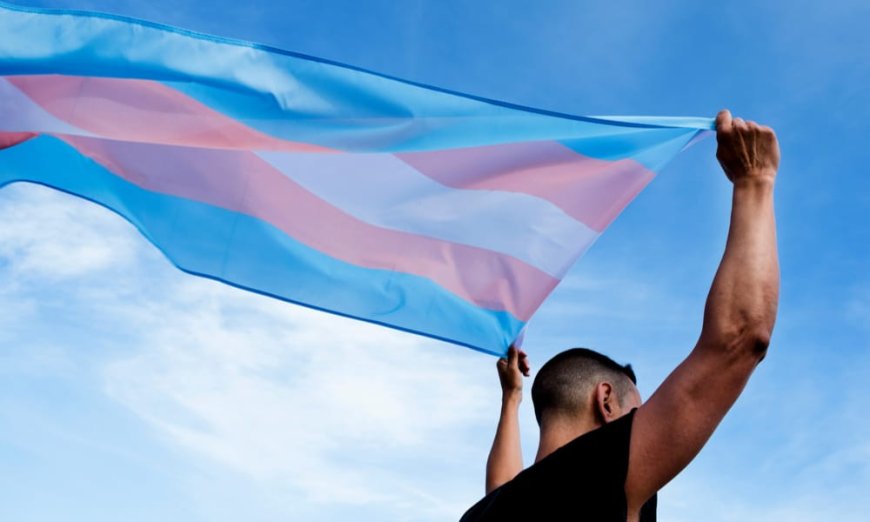
San Antonio City Council has officially recognized Trans History Week for the first time, marking a significant moment for transgender visibility and inclusion in the city’s civic record. The proclamation, adopted during Tuesday’s council session, designates May 4–10 as Trans History Week and highlights the importance of preserving the stories of transgender, non-binary, gender-diverse, and intersex communities.
The measure was introduced by District 2 Councilman Jalen McKee-Rodriguez, the first openly gay Black man elected to the council. The proclamation frames trans history as an essential part of broader civil rights education, noting the need to confront misinformation and historical erasure while preserving lived experiences for future generations.
It states, in part, that recognizing these histories is critical to ensuring “the culture, knowledge and experience of trans ancestors are preserved and shared as a source of well-being and a toolkit for liberation today.” A Global Commemoration With Local Meaning
Trans History Week is a trans-led global initiative designed to encourage reflection and education around transgender and gender-diverse histories. The observance leads into Trans+ History Day on May 6, which marks the anniversary of the 1933 Nazi raid on the world’s first transgender clinic in Berlin.
Local advocates say the timing underscores why remembrance matters. The proclamation positions San Antonio within a wider movement focused on education, visibility, and historical accountability. Community Response: “Here I Am”
For many in attendance, the recognition carried personal weight.
Rain Garcia, who leads the local advocacy group Unfiltered Wings, described the moment as a reflection of the city’s identity. “San Antonio has no home for hate,” Garcia said, crediting community resilience and visibility efforts for the progress.
Advocates from Equality Texas also emphasized the broader stakes. Naveen Farrani, a spokesperson for the organization, said the proclamation stands out at a time when trans communities face increasing political pressure statewide and nationally. They described it as “a beacon” for trans people navigating ongoing attempts to erase their stories from public life.
Community engagement advocate Sofia Sepulveda offered a personal reflection during the meeting, recounting the long arc of trans history and her own experience navigating identity from childhood into adulthood. “We trans people will continue to exist and create and make history in Texas even when people don’t want us to thrive,” she said.
San Antonio’s first transgender council member, Leo Castillo-Anguiano, who works with Thrive Youth Center, also addressed the council. He framed the proclamation as a message to young people. “You are not alone, that you belong here, your history matters, and your future does, too,” he said. Council Voices and Broader Policy Context
Several council members spoke in support of the proclamation, connecting it to broader conversations about safety, identity, and civil rights.
Ric Galvan said the issue hits close to home, noting family and friends who are transgender. “We are standing firm with them,” he said, emphasizing the importance of safety and inclusion in San Antonio.
Teri Castillo also backed the proclamation, stating that “trans history is civil rights history,” tying the recognition to a larger American narrative of equality movements.
Other council members, including Sukh Kaur and Marina Alderete Gavito, supported related policy efforts aimed at improving access and protections for trans residents, including proposals addressing restroom access, personal identification accuracy, and public health privacy.
Councilwoman Phyllis Viagran grew emotional during remarks, expressing hope that collaborative civic action could strengthen unity. “It gives me hope that we as a nation are going to be OK if we continue to work together,” she said. A City Positioning Itself in a Divided Climate
The proclamation arrives amid a broader wave of legislative action in Texas targeting LGBTQ+ communities. In the past year alone, more than 100 bills were introduced in the state legislature, with several enacted into law, including restrictions affecting gender identity discussions in schools and formal state definitions of sex.
Nationally, LGBTQ+ advocates have also voiced concern over renewed legal challenges to marriage equality and other protections.
Against that backdrop, San Antonio’s move signals a deliberate public stance on visibility and historical recognition. Council members say the goal is not only symbolic acknowledgment, but also reinforcing the idea that trans residents are part of the city’s present and future.
As Councilman Edward Mungia put it, “Y’all are not just existing, you guys are thriving.”