
The Public Universal Friend: The American Preacher Who Rejected Gender in 1776
The Public Universal Friend claimed a genderless divine identity after a 1776 fever. Explore the preacher’s beliefs, followers and life in early America.
 Mark
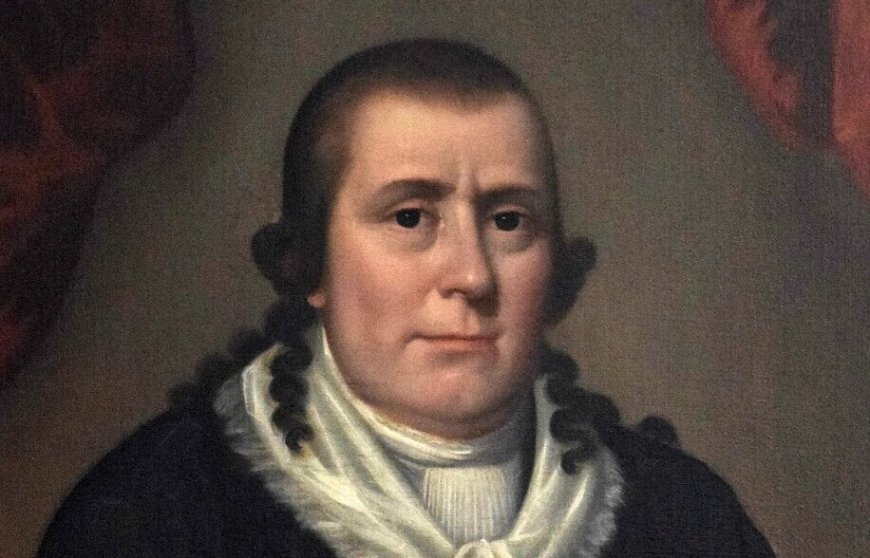
The Public Universal Friend (1752 to 1819) was an American preacher who said that after a severe fever in 1776, the person born into a Rhode Island Quaker family had died and a genderless spirit sent by God had taken over the body.
The Friend founded the Society of Universal Friends and led followers to Jerusalem, New York. The movement opposed slavery and gave unmarried women leadership roles.
Jump to: Timeline · The 1776 transformation · Name and pronouns · Beliefs · Gender today · FAQ Timeline of the Friend’s Life, From 1752 to 1819 DateWhat happened1752Born in Cumberland, Rhode Island, and raised in a Quaker householdEarly 1770sAttends New Light Baptist meetings during the Great AwakeningOctober 1776Survives a fever and announces the earlier self has died1778Rhode Island judge William Potter joins the Friend’s followers1784Publishes written advice to followersBefore 1790Followers buy land in western New York1790The Society leaves Rhode Island for New York1790sThe Friend settles in Jerusalem, New YorkJuly 1, 1819The Friend dies in Jerusalem
The outline of the Friend’s life appears in Paul B. Moyer’s 2015 biography, New York Historical’s life story and American Ancestors’ account. Quaker Roots in Cumberland, Rhode Island
The Friend was born Nov. 29, 1752, in Cumberland, Rhode Island, and raised in a Quaker household. New York Historical identifies the Friend as the eighth of 12 children.
In the early 1770s, the future Friend attended New Light Baptist meetings, the Providence Public Library says. The preaching career that followed drew on the religious world of New England, while the Friend’s claims about identity broke sharply with expectations. The October 1776 Fever That Created the Publick Universal Friend
A severe illness in October 1776, possibly typhus, preceded the transformation, according to American Ancestors. After recovering, the Friend announced that the earlier person had died and a divine spirit now occupied the body.
The Friend claimed that the Spirit “took full possession of the Body it now animates,” JSTOR Daily reports, summarizing a 2014 Early American Studies article by historian Scott Larson. Larson and the Providence Public Library spell it “Publick.” Followers also said “Comforter” or “P.U.F.,” Mental Floss reports. Asked whether the Friend was a man or a woman, the Friend answered, “I am that I am.” How the Friend Dressed, Preached and Did Without Pronouns
The Friend combined clothing associated with men and women. New York Historical describes vests, neckties and skirts, along with a hairstyle cut short on top with ringlets left long at the back.
Followers avoided gendered pronouns for the Friend. JSTOR Daily’s account of historian Scott Larson’s research says “eschewing gendered pronouns was a matter of religious faith.” Gayety uses “the Friend.” Modern sources also use singular “they.”
Moyer’s biography follows the Friend’s preaching through southern New England and Pennsylvania. Hundreds of people joined the movement. The Society of Universal Friends Opposed Slavery
The Friend’s followers organized as the Society of Universal Friends. Its theology looked a lot like Quakerism, and it promoted equality between women and men, denounced slavery and encouraged sexual abstinence, the Providence Public Library says. The group included Black members, some of them formerly enslaved in Rhode Island, and a “Faithful Sisterhood” of unmarried women who held leadership roles.
Money and land came from wealthy converts. In 1778, Judge William Potter of South Kingstown, Rhode Island, a politically connected planter, joined the Society, gave it land and built the Friend a 14-room addition to his house, according to the library. Potter also freed at least three enslaved men, who then joined the Society. The Friend often persuaded slaveholding members to free the people they held, Mental Floss reports. Jerusalem, New York, and the Friend’s Home Near Penn Yan
Supporters, curious onlookers and critics all turned out for the meetings, New York Historical says. Members eventually bought land in upstate New York, and the Friend joined the community in 1790. The settlement took the movement away from the crowds of its earlier preaching tours.
The Friend settled in Jerusalem, near present-day Penn Yan in what is now Yates County. The community struggled with disputes about land and belief, and some followers left, New York Historical explains. Former members also tried to have the Friend prosecuted for blasphemy. Mental Floss’s history describes the failed prosecution and the Friend’s subsequent invitation to preach in court.
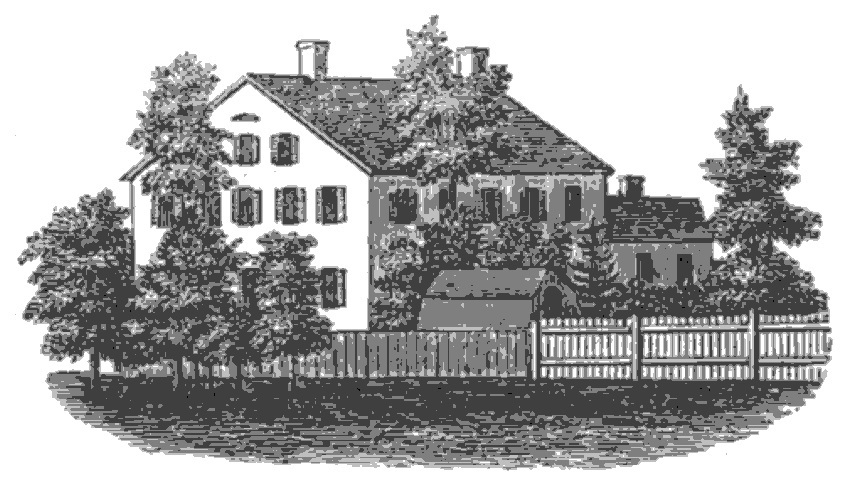 The Friend’s home in an 1842 engraving. John Warner Barber and Henry Howe / Public domain.
The Friend’s Death in 1819 and the End of the Society
The Friend died in Jerusalem on July 1, 1819, according to American Ancestors. Followers described the Friend as having “left time,” New York Historical notes. The body was first placed in a vault and later moved to an unmarked grave, American Ancestors reports.
Without the Friend, the Society faded. It ceased to exist by the mid-19th century, Moyer’s publisher says. Nineteenth-century historians mostly dismissed the Friend as a fraud, read the clothing and gender claims as signs of mental illness and refused to use the Friend’s chosen name, New York Historical reports. Was the Public Universal Friend Nonbinary or Transgender?
Modern writers approach the Friend’s gender in different ways. Museum of the American Revolution educator Meg Bowersox describes nonbinary as a close modern comparison. Larson emphasizes the followers’ belief that the Friend was a divine spirit, rather than a human person. Neither interpretation gives us the Friend’s own answer to a question framed in today’s vocabulary.
The Friend’s chosen name and rejection of gendered terms remain central to the story. For current vocabulary, see Gayety’s guides to what nonbinary means and genderqueer. Gayety also profiles Christine Jorgensen and explains Transgender Day of Visibility. Where to Learn More About the Friend
The Yates County History Center in Penn Yan preserves material relating to the Friend. The Providence Public Library’s community archive includes digitized documents and identifies an 1816 portrait by John Mathies held in the Yates collection.
NPR’s Throughline devoted a 2020 episode to the Friend. Gayety’s history page has more queer history. Public Universal Friend FAQ: Pronouns, Beliefs and Jerusalem Who was the Public Universal Friend?
The Public Universal Friend (1752 to 1819) was a preacher raised Quaker in Rhode Island who said a genderless spirit replaced the earlier person after a 1776 fever. The Friend founded the Society of Universal Friends. What pronouns did the Public Universal Friend use?
Followers avoided gendered pronouns as a matter of faith, JSTOR Daily reports. Many modern writers use singular “they,” and Gayety uses “the Friend.” Was the Public Universal Friend nonbinary?
Nonbinary is one modern comparison, but it was not a label the Friend used. The Friend described a genderless divine spirit, and scholars differ about how closely modern gender terms fit that belief. Where did the Public Universal Friend live?
The Friend grew up in Cumberland, Rhode Island, moved to upstate New York in 1790 and settled in Jerusalem, near present-day Penn Yan in Yates County. When did the Public Universal Friend die?
The Friend died July 1, 1819, in Jerusalem, New York. What did the Society of Universal Friends believe?
The Providence Public Library says the Society promoted equality between women and men, denounced slavery and encouraged sexual abstinence. Unmarried women in its “Faithful Sisterhood” held leadership roles.