This lesser-known, queer-friendly neighborhood was just crowned the best in the US
The district was placed above the Castro, Chelsea, and Provincetown…
 Mark
Mark

To mark Pride Month, Lonely Planet has compiled a ranking of the 10 Best LGBTQIA+ Neighborhoods in the U.S.
Although the top ten features high-profile destinations such as Provincetown in Massachusetts, the Castro in San Francisco, and New York’s West Village, the list also includes districts lesser-known outside their respective cities.
The listing was as follows.
- Bywater, New Orleans, Louisiana
- The Gayborhood, Philadelphia, Pennsylvania
- Northalsted, Chicago, Illinois
- Capitol Hill, Denver, Colorado
- The Castro, San Francisco, California
- West Hollywood, Los Angeles, California
- Capitol Hill, Seattle, Washington
- Oak Lawn, Dallas, Texas
- Provincetown, Massachusetts
- West Village, New York City, New York
Pack your bags, we’re going on an adventure
Subscribe to our weekly newsletter for the best LGBTQ+ travel guides, stories, and more.
Subscribe to our Newsletter today
West Hollywood in Los Angeles and Northalsted (formerly Boyztown) in Chicago need little introduction.
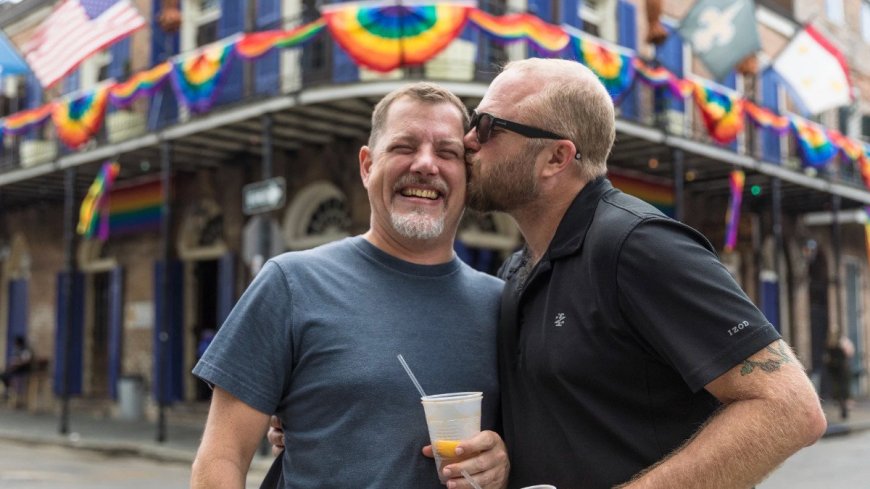
However, Bywater in New Orleans, which came out on top, will be unfamiliar to some of you. Although NOLA is known as a queer party town, with major events such as Southern Decadence, much of the tourist focus is often upon the historical French Quarter.
However, just south of this area is the bohemian Bywater district. Lonely Planet highlights it for its “classic dives, hidden courtyard eateries, vintage shops and the always-worthwhile, gay-owned Country Club.”
What makes Bywater shine?

GayCities reached out to Alicia Valenski, author of Lonely Planet’s new LGBTQ+ travel guide, to ask more about this Louisiana gem.
“When people think of iconic LGBTQ+ neighborhoods, they often think of places that helped shape queer history,” she said. “Their minds go to communities known for activism, cultural influence, nightlife, or their role as havens of connection and belonging. By those measures, places like The Castro and Provincetown are in a league of their own.

“What makes Bywater so interesting is that it reflects how queer travel has evolved. For generations, dedicated queer districts served as enclaves of refuge, visibility, and community. Today, though, many LGBTQ+ travelers are looking for places where queer life isn’t confined to a single district, but woven into the fabric of everyday life.
“That’s where Bywater shines. Its queer identity isn’t separate from the neighborhood’s character, it’s a part of it. The art, the music, the colorful houses, the corner bars, the creative energy, and the wonderfully eccentric spirit of New Orleans all blend together. Being there feels less like entering a designated ‘gayborhood’ and more like stepping into a genuine community: creative, welcoming, walkable, and unapologetically itself.
“If we look at it through that lens, the question isn’t necessarily, ‘Which place is the most important in LGBTQ+ history?’ It’s, ‘Where might a queer traveler have the most memorable experience today?’ And that’s where Bywater starts to make a lot more sense.”
“A truly mixed neighborhood”
GayCities spoke with a Bywater local for his take. Fred Goodrich is a local musician and artist. His words echoed Valenski’s.
“The Bywater today still carries that fun, funky, unmistakably New Orleans spirit. What makes it special isn’t that it became an LGBTQ+ neighborhood — it’s that it became a truly mixed neighborhood where LGBTQ+ folks, artists, musicians, activists, families, and longtime residents coexist in a culture of celebration, creativity, and acceptance,” he said.
“I’m not surprised to see it ranked highly. I think it’s deserved,” Goodrich continued.

“This is the neighborhood where the beloved Society of Saint Anne Mardi Gras parade launches each Mardi Gras morning, where gay and straight folks dance together at Vaughan’s, where people gather for concerts and community events at the Ellis Marsalis Center for Music, rock out at BJ’s, and celebrate life over coffee and pastries at Bywater Bakery.

“From peaceful mornings walking Crescent Park to spontaneous second lines and Carnival magic after dark, the Bywater’s heart still beats loud, colorful, and strong. It feels like one of the places where New Orleans continues to be unapologetically itself.”
“More choices than ever before”
For Valenski, Bywater also represents a growing trend in travelers seeking out lesser-known hotspots.
“Many queer travelers are broadening their definition of what makes a destination appealing,” she said.
“We’re seeing growing interest in smaller cities, creative neighborhoods, outdoor destinations, and places that may not have traditionally been considered major LGBTQ+ hubs. Think Hudson as much as New York City, or Sitges as much as Madrid. I think part of what’s driving this trend is that LGBTQ+ travelers have more choices than ever before. In many places, acceptance has expanded, opening the door to destinations that might not have been on travelers’ radar a generation ago. They are increasingly seeking experiences that feel distinctive and authentic rather than overly curated or commercialized.”
Related
Did you know this trivia about New Orleans’ French Quarter?
Gay men were instrumental in early efforts to preserve the French Quarter, but their role in it has often been forgotten.
Join the GayCities newsletter for weekly updates on the best LGBTQ+ destinations and events—nearby and around the world.