
Historic preservationists create virtual 3D model of the Stonewall Inn as it appeared in 1969
Have you ever imagined what the Stonewall Inn looked like in 1969? Now you can see for yourself. The NYC LGBTQ Historic Sites Project and Making Gay History have teamed up to create a digital 3D model of the bar, located at 53 Christopher St., to show how it looked in 1969 — the year … Read More
 Mark
0
4
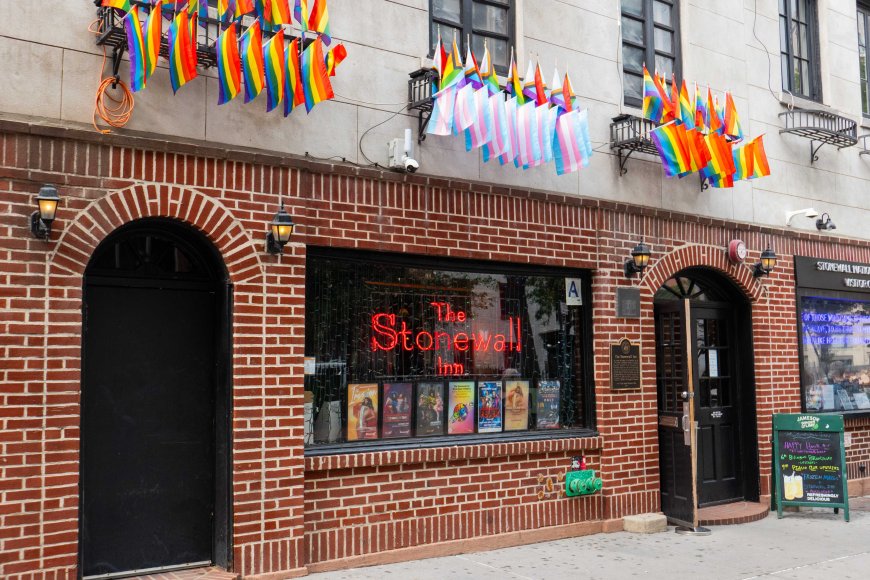
Have you ever imagined what the Stonewall Inn looked like in 1969? Now you can see for yourself.
The NYC LGBTQ Historic Sites Project and Making Gay History have teamed up to create a digital 3D model of the bar, located at 53 Christopher St., to show how it looked in 1969 — the year when the bar helped spark the modern LGBTQ rights movement in the Stonewall Uprising.
The digital 3D model allows users to see the layout of the Stonewall Inn, which has changed significantly over the years. While the bar now has one main open area on the ground floor, the 1969 model shows controlled entry points leading to two different areas separated by a wall: one on the left and one on the right. In 1969, when the bar was controlled by the Mafia, the left side featured an open floor with several seats as well as a small bar tucked in the back — a departure from today's version of the bar, which features a long bar against the wall on the left side of the establishment. In 1969, the larger main bar was on the right side of the ground floor.
The NYC LGBTQ Historic Sites Project and Making Gay History combined archival floor plans, oral history, and photography and utilized ArcGIS technology to form the 3D model of the bar, which previously resided at both 51 Christopher St. and 53 Christopher St. The Stonewall Visitor Center, which sits adjacent to the Stonewall Inn, previously served as part of the bar.
“This is the most in-depth resource ever created to show us what the interior of the bar looked and felt like in 1969, meticulously reconstructed from archival materials and historic research," said Ken Lustbader of the LGBTQ Historic Sites Project. "As preservationists, it’s important to understand and experience the bar as it existed at the time of the Stonewall Uprising, which took place on the surrounding street. Immersive technology like this 3D model creates a powerful, visceral connection to our shared LGBTQ and American history, of which Stonewall is an integral part.”
The virtual model of the 1969 bar features several different viewpoints, including a street layout, the interior, and the area outside of the bar near Christopher Park. Today, the bar's red brick exterior continues to largely resemble the way it looked in 1969, but the exterior signage looked far different back then. The 3D model shows that there was a large exterior sign attached to the bar, with the sign describing the Stonewall Inn as a restaurant.
“The 3D model is accessible to anyone, anywhere, with a phone or computer and an internet connection." said Eric Marcus, who is the executive director of Making Gay History. “This new digital tool complements the stories we feature in the podcast — when we hear our LGBTQ+ elders describe in their own voices what they saw and experienced during the Stonewall Uprising. Now with this highly accessible tool, we can see precisely the long-gone place they experienced prior to and on the night of the uprising. When I tell people that virtually nothing of the original Stonewall Inn’s interior still exists, now I can share the link to the 3D model and they can see what the place looked like more than 50 years ago.”
The Stonewall Inn and the Stonewall National Monument were thrust into the national spotlight in early February when the Trump administration removed the monument's Rainbow Flag in an explosive move that was first reported by Gay City News. After activists initially reinstalled a Rainbow Flag there days later, the Trump administration formally raised a new Rainbow Flag at the site in April, but with a different flag and a new look that strayed from the previous flagpole setup.
The flag's removal followed other efforts by the Trump administration to interfere with the Stonewall National Monument, including by removing references to transgender and bisexual individuals.
In a press release announcing the 3D model, the NYC LGBTQ Historic Sites Project and Making Gay History noted the importance of preserving this history in light of the federal government's interference of the monument.
"Although the Pride flag has been restored after successful litigation, its removal created serious concerns about the protection of essential aspects of the site’s heritage, and altered online interpretive materials have still not yet been corrected," the press release noted. "These censorship actions continue to threaten understanding the LGBTQ presence in and contributions to American history."
Click here to learn more about the 3D model.