What’s happening with facial recognition tech in The Castro?
AI is not off the guest list, for now.
 Mark
Mark
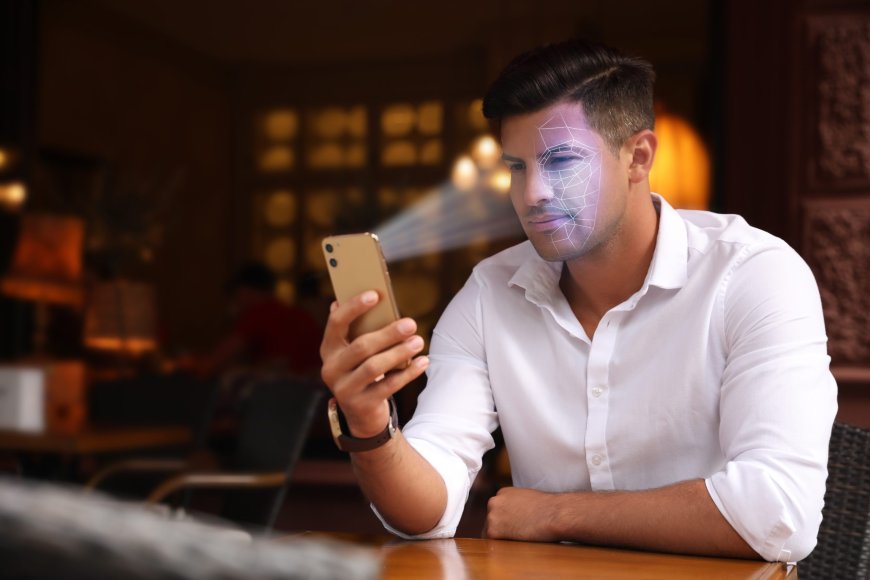

Artificial intelligence is not making the guest list in The Castro — for now.
This week, two San Francisco gay bars, Badlands and Toad Hall, walked back their decision to implement an AI-powered facial recognition technology at the door following a vociferous outcry from the LGBTQ+ community.
According to the San Francisco Chronicle, the tool in question, Patronscan, was used to “verify IDs and ages and flag problem patrons across all venues.”
That said, the nature of the program’s database, which stores patron’s zip code, birth date, gender, ID expiration date, and photograph for 21 days (and longer in some cases), comes with some serious privacy concerns.
Pack your bags, we’re going on an adventure
Subscribe to our weekly newsletter for the best LGBTQ+ travel guides, stories, and more.
Subscribe to our Newsletter today

As nationwide anti-surveillance groups like Club 1984 pointed out, there’s an especially sensitive nature to LGBTQ+ people’s data in this political climate.
Plus, its very implementation goes against the longstanding tradition of LGBTQ+ safe spaces, where queer people could go and not “be photographed, named, and listed.”
Currently, the group tracks nearly 40 LGBTQ+ venues in cities like New York and Los Angeles using similar technology, as well as bars and clubs that have vowed not to.
Notably, patrons who visit venues using these systems cannot opt out of having their IDs scanned, and can only request “that their information be deleted” via a form on PatronScan’s website, per Metro Weekly.
In a statement shared to Instagram on August 8, Badlands and Toad Hall’s management wrote that “effectively immediately,” they would pause use of PatronScan to “review [their] ID verification and security practices.”
“The safety of our guests and staff remains a priority, as do privacy and trust,” they added.
“We appreciate everyone who has shared their concerns and remain committed to providing a safe and welcoming environment for all.”
The decision speaks to the rapidly evolving capabilities of AI and a moral conundrum many LGBTQ+ bars and small businesses are facing around its usage.
Back in January, Stacy’s at Melrose in Phoenix, Arizona dealt with a similar blowback after introducing an AI-powered chat bot called MOTHR on its website.
Related
23 sizzling photos from the POSH PVR weekend in Puerto Vallarta
A boat trip, pool parties and brunch were among the highlights of the second Posh PVR escape to Mexico.
But for the time being, it’s a major win for Fight for the Future.
The digital rights group largely spearheaded the boycott against the facial recognition technology at Badlands and Toad Hall.
“AI surveillance technology is creepy for anyone going to a show or club, but it’s particularly dangerous for members of the LGBTQ+ community who are facing increased attacks on our rights and safety,” director Evan Greer said in a statement.
“Queer and trans people want to be able to dance and gather and party without fear.”
Join the GayCities newsletter for weekly updates on the best LGBTQ+ destinations and events—nearby and around the world.